Cannabidiol, universally known as CBD, has transformed from a misunderstood alternative remedy into a staple of the modern American wellness routine. Walk into almost any health food store, pharmacy, or specialty boutique, and you will find shelves lined with tinctures, capsules, topical creams, and functional beverages all promising various degrees of relief and relaxation. Yet, as the market expands, so does the confusion surrounding what this compound actually does. Moving past the aggressive marketing claims and looking closely at the physiological impacts reveals a fascinating natural compound that offers genuine, nuanced support for human health.
To properly leverage CBD for wellness, one must first separate it from its infamous cousin, THC (tetrahydrocannabinol). While both are cannabinoids derived from the cannabis plant, CBD is entirely non-intoxicating. It will not cause a high, alter your perception of reality, or impair your cognitive function. Instead, it works quietly behind the scenes, engaging with the body’s internal regulatory systems to promote a state of biological balance.
Demystifying CBD: How It Interacts with the Human Body
The key to understanding the health benefits of CBD lies in a complex cell-signaling network known as the endocannabinoid system (ECS). Discovered in the early 1990s, the ECS is present in all mammals and plays a crucial role in regulating a vast array of functions and processes, including sleep, mood, appetite, memory, reproduction, and fertility.
The primary goal of the ECS is to maintain homeostasis—the body’s natural state of internal balance, regardless of external environmental fluctuations. When something throws your body out of alignment, such as physical injury, emotional stress, or illness, the ECS kicks in to help your body return to its baseline.
The system consists of endocannabinoids (which your body produces naturally), receptors that these endocannabinoids bind to, and enzymes that break them down once they have served their purpose. The two main receptors are CB1 receptors, which are mostly found in the central nervous system, and CB2 receptors, which primarily exist in the peripheral nervous system and immune cells.
Interestingly, CBD does not bind directly to these receptors in the way that THC does. Instead, it interacts subtly with the ECS by preventing the breakdown of your body’s own endocannabinoids. By inhibiting the enzymes that naturally degrade endocannabinoids like anandamide (often referred to as the “bliss molecule”), CBD allows these beneficial compounds to stay in your system longer, thereby enhancing your body’s natural ability to restore equilibrium.
The Most Well-Documented Health Benefits of CBD
While the wellness industry often promotes CBD as a cure-all, realistic applications are far more targeted. Its true strength lies in its ability to modulate the body’s responses to stress, discomfort, and rest.
Managing Everyday Stress and Anxious Feelings
One of the most common reasons adults turn to CBD is to manage the daily pressures of modern life. Chronic stress keeps the central nervous system in a prolonged state of “fight or flight,” leading to elevated cortisol levels, mental fatigue, and a constant feeling of being on edge.
CBD has shown significant promise in acting as a gentle buffer against this hyper-arousal. By interacting with the ECS and influencing serotonin receptors in the brain—specifically the 5-HT1A receptor, which plays a major role in mood and anxiety disorders—CBD can help smooth out the sharp edges of daily stress. Users frequently report a subtle but noticeable sense of calm, a reduction in racing thoughts, and a greater capacity to handle high-pressure situations without experiencing an emotional crash later in the day.
Supporting Better Sleep Quality and Cycles
Quality sleep is the foundation of robust health, yet millions of Americans struggle with insomnia, frequent waking, or unrefreshing sleep. Traditional sleep aids often act as heavy sedatives, forcing the brain into unconsciousness while disrupting natural sleep architecture, leaving users groggy the next morning.
CBD takes a different approach. Rather than acting as a direct sedative, it tends to address the root causes of sleeplessness—namely, physical discomfort and an overactive mind. By reducing evening anxiety and easing muscle tension, CBD helps prepare the body for rest naturally. Furthermore, incorporating CBD into an evening routine may help regulate the sleep-wake cycle over time, promoting deeper REM and slow-wave sleep phases where the most critical physical and cognitive recovery takes place.
Relief from Physical Discomfort and Inflammation
Inflammation is a natural immune response, but when it becomes chronic, it contributes to persistent pain, joint stiffness, and a host of long-term health issues. The ECS plays a direct role in regulating immune responses, and by extension, inflammation.
Many active individuals, athletes, and older adults utilize CBD to manage everyday aches, muscle soreness, and joint discomfort. When taken internally, CBD works systemically to dial down inflammatory markers throughout the body. When applied topically via balms or lotions, it interacts with localized cannabinoid receptors in the skin and muscle tissue, providing targeted relief exactly where it is needed without entering the bloodstream.
Navigating the Different Forms of CBD
Not all CBD is created equal, and understanding the terminology on the label is essential for achieving the desired health outcomes. The extraction process dictates what makes it into the final bottle, categorizing the product into one of three distinct types.
Full-Spectrum CBD contains all the naturally occurring compounds found in the hemp plant, including other trace cannabinoids, terpenes, and essential oils, alongside a legally compliant amount of THC (less than 0.3%). This is widely considered the most effective form due to the entourage effect—a botanical phenomenon where all the compounds work together synergistically, amplifying the therapeutic benefits of the plant far beyond what CBD can do on its own.
Broad-Spectrum CBD is highly similar to full-spectrum, but it undergoes an additional refinement process to strip away all detectable traces of THC. This is an excellent option for individuals who want the benefits of the entourage effect but must strictly avoid THC due to occupational drug testing or personal preference.
CBD Isolate is the purest form of the compound, isolated entirely from all other plant matter. It contains 99% pure CBD and zero THC, terpenes, or other cannabinoids. While it lacks the enhanced efficacy of the entourage effect, it provides a highly concentrated, flavorless dose for those who want nothing but cannabidiol.
How to Effectively Incorporate CBD into Your Routine
The delivery method you choose profoundly impacts how quickly the CBD takes effect and how long it remains in your system. This concept, known as bioavailability, dictates how much of the active compound actually reaches your bloodstream.
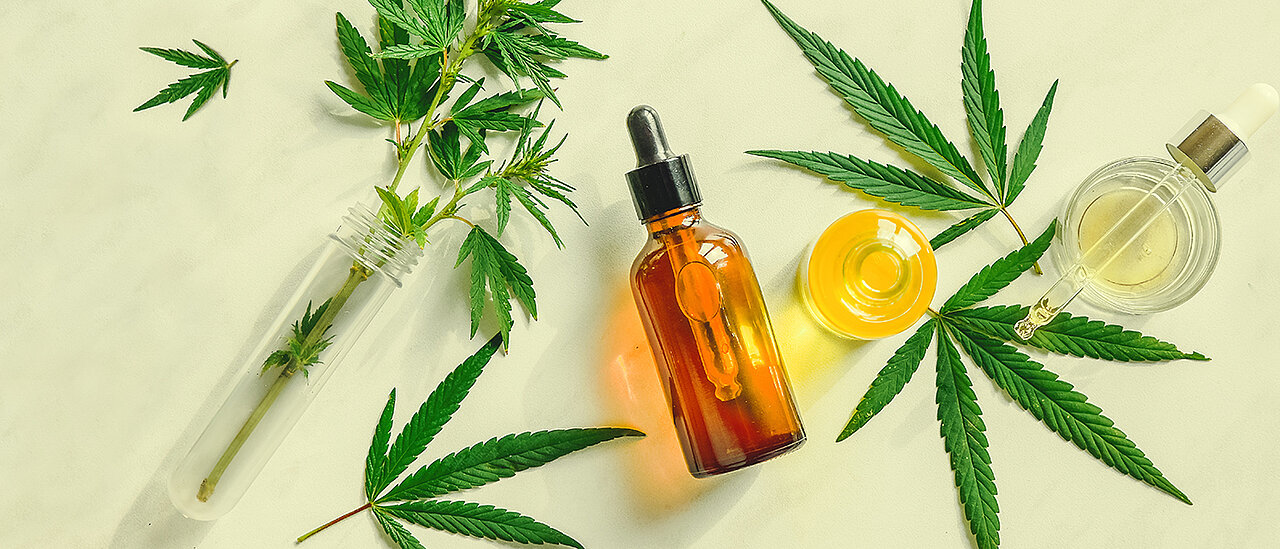
Oils and Tinctures remain the gold standard for versatility and efficiency. Administered sublingually (under the tongue) and held for 60 seconds before swallowing, the CBD bypasses the digestive tract and absorbs directly into the bloodstream through the mucous membranes. This method yields noticeable effects within 15 to 30 minutes and allows for highly precise dose adjustments.
Edibles and Capsules, such as gummies or softgels, offer a convenient and discreet way to take CBD. However, because they must pass through the digestive system and the liver before entering the bloodstream, their bioavailability is significantly lower, and onset can take anywhere from one to two hours. The trade-off is that the effects tend to last substantially longer, making them ideal for sustained overnight support or all-day baseline management.
Topicals, including creams, salves, and roll-ons, are designed exclusively for localized application. They are the best choice for addressing acute muscle soreness, joint stiffness, or skin irritation, as they deliver the active compounds directly to the affected area without systemic absorption.
What to Look for When Choosing a High-Quality Product
The rapid growth of the CBD industry has led to an influx of low-quality, mislabeled products. To protect your health and your wallet, rigorous vetting is required before making a purchase.
First, always demand a Certificate of Analysis (COA). A reputable brand will have their products tested by an independent, third-party laboratory. The resulting COA should be easily accessible on the company’s website or via a QR code on the packaging. This document verifies the exact amount of CBD and THC in the product while confirming the absolute absence of harmful contaminants like heavy metals, pesticides, molds, and residual solvents.
Second, look into the sourcing. Hemp is a bioaccumulator, meaning it readily absorbs both the nutrients and the toxins present in the soil it grows in. Ensure the product is made from organic hemp grown in the United States, where agricultural regulations enforce safer cultivation practices compared to imported industrial hemp.
Finally, consider the extraction method. The cleanest and most efficient way to extract CBD is through Supercritical CO2 extraction. This method uses pressurized carbon dioxide to pull the beneficial compounds from the plant without leaving behind any toxic chemical residues, ensuring a safe and pure final product.
Safety Considerations and Potential Interactions
CBD is generally well-tolerated by the vast majority of people and boasts an excellent safety profile. However, it is a biologically active compound, and side effects, though rare and typically mild, can occur. Some individuals may experience dry mouth, slight fatigue, changes in appetite, or mild gastrointestinal upset when first introducing it to their system.
The most critical safety consideration involves medication interactions. CBD is metabolized in the liver by the cytochrome P450 enzyme system—the exact same pathway responsible for breaking down roughly 60% of pharmaceutical drugs. Because CBD can temporarily inhibit these enzymes, it may alter how your body processes certain medications. A reliable rule of thumb is the grapefruit warning: if your prescription medication includes a warning against consuming grapefruit, it will likely interact with CBD in a similar manner.
For those looking to build a sustainable CBD regimen, the most effective strategy is to start low and go slow. Begin with a minimal dose of 10 to 15 milligrams, observe how your body reacts over a few days, and gradually incrementally increase the amount until you find the exact threshold that provides optimal relief. Finding your ideal dose requires patience and a willingness to tune in to your body’s subtle shifts as it works its way back toward natural equilibrium.