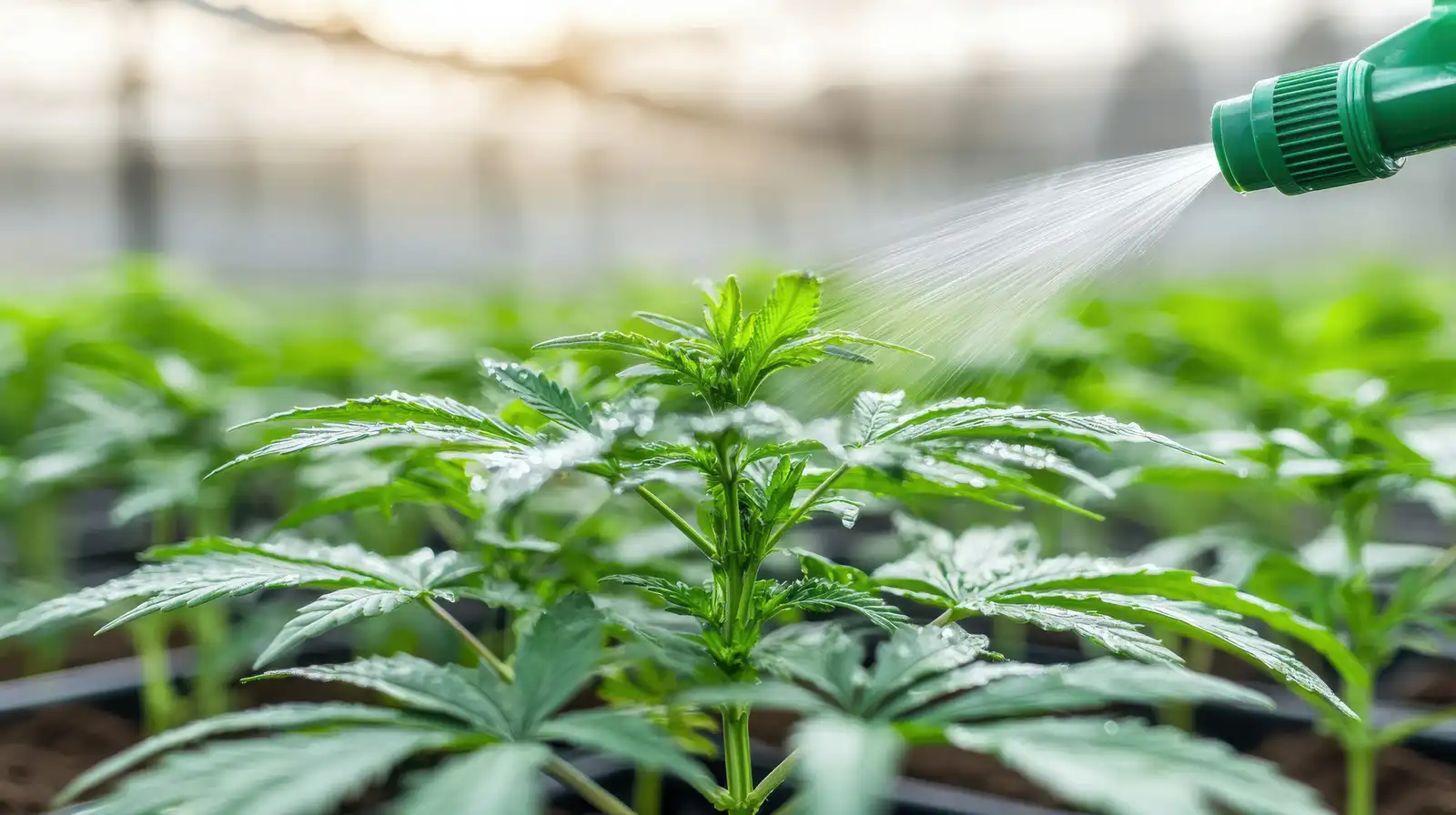
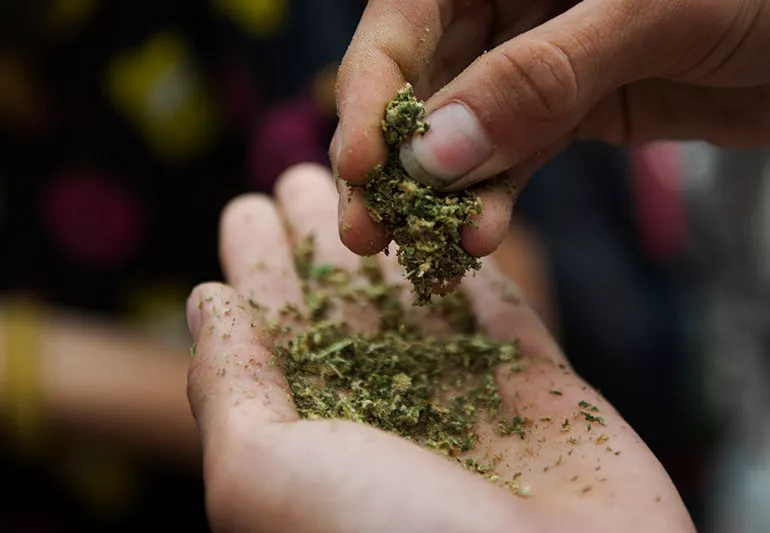
The passage of the 2018 Farm Bill was celebrated as a milestone for agricultural freedom and botanical wellness, yet it inadvertently opened a backdoor to an unregulated chemical frontier. What began as an overwhelming consumer demand for pure, therapeutic cannabidiol has evolved into a chaotic marketplace flooded with lab-synthesized intoxicating compounds masquerading as natural plant medicine. Across convenience store counters, online storefronts, and smoke shops, brightly packaged gummies and vape cartridges promise the gentle relief of organic hemp. In reality, a significant portion of these products have traveled a long, perilous journey from a field of green foliage through an industrial reactor, emerging as semi-synthetic and fully synthetic molecular derivatives that nature never produced in meaningful quantities.
For individuals seeking authentic plant wellness, this shift represents a serious safety hazard. The phrase “hemp-derived” has been aggressively weaponized as a legal shield, giving ordinary shoppers the false impression that compounds like Delta-8 THC, HHC, and THC-O are gently harvested from organic crops. Unmasking these lab-altered extracts requires peeling back the deceptive marketing, understanding the industrial alchemy used to synthesize them, and developing the critical eye needed to dissect third-party laboratory reports.
The Illusion of “Natural”: Botanical Origin Versus Chemical Alchemy
The core deception underpinning lab-altered hemp extracts lies in the legal definition of industrial hemp: Cannabis sativa L. containing no more than 0.3 percent Delta-9 tetrahydrocannabinol by dry weight. Creative manufacturers realized early on that while federal law strictly limited Delta-9 THC, it placed virtually no explicit boundaries on other cannabinoids derived from hemp biomass.
When consumer demand for CBD plummeted following agricultural overproduction, processors found themselves holding warehouse floors of cheap, surplus CBD isolate. Rather than writing off these depreciating assets, industrial chemists turned to classical synthetic chemistry. By treating purified CBD isolate with harsh acids, heavy metals, and high temperatures, they discovered they could force the molecule to close its open chemical ring, transforming non-intoxicating cannabidiol into intoxicating psychoactive analogs.
Marketers describe these compounds as natural because minute, nanogram-level traces of molecules like Delta-8 THC or Hexahydrocannabinol occasionally appear in aged cannabis flowers. However, extracting those infinitesimal amounts directly from the plant is economically impossible. A single gram of retail Delta-8 or HHC is not a botanical extract; it is a semi-synthetic artifact of industrial chemical synthesis. Treating a natural precursor with concentrated acids and volatile reagents fundamentally breaks the covenant of whole-plant herbalism.
Cataloging the Chemically Altered Cannabinoids
To spot lab-altered extracts, you must first recognize the chemical nomenclature and the specific modifications used to manufacture them.
Isomerized Analogs: Delta-8 and Delta-10 THC
Delta-8 THC is the foundation of the semi-synthetic boom. It is produced by dissolving CBD isolate in an organic solvent—often heptane, toluene, or petroleum ether—and introducing a strong acid catalyst such as p-toluenesulfonic acid, sulfuric acid, or glacial acetic acid. The mixture is heated and stirred for hours, forcing an isomerization reaction that rearranges the molecular bonds of CBD into Delta-8 THC, alongside Delta-10 THC and an array of unintended structural isomers.
Hydrogenated Derivatives: HHC and HHC-O
Hexahydrocannabinol is manufactured through catalytic hydrogenation, the very same industrial process used to transform vegetable oil into margarine. Chemists take converted cannabinoids, dissolve them in solvents, and expose the mixture to hydrogen gas under extreme pressure in the presence of heavy-metal catalysts such as palladium, platinum, or Raney nickel. This reaction saturates the double bonds of the molecule, adding hydrogen atoms to create a shelf-stable, psychoactive compound. Adding an acetate group to this backbone produces HHC-O, an even more heavily modified synthetic derivative.
Acetylated Compounds: The Severe Hazards of THC-O
The most troubling modification is the creation of cannabinoid acetates, predominantly THC-O acetate. To produce THC-O, chemists treat hemp-derived cannabinoids with acetic anhydride—a corrosive, volatile chemical heavily monitored by drug enforcement agencies because of its role in illicit drug processing. The addition of the acetyl group enhances lipid solubility, allowing the compound to cross the blood-brain barrier rapidly and produce heavy intoxication. When acetate compounds are heated inside vaping hardware, the chemical bonds break down and generate ketene gas, a potent pulmonary toxin linked to severe, irreversible lung damage.
Tailored Alkyl Chains: THC-P and HHC-P
The latest escalation involves chemically extending the alkyl side chain of the cannabinoid molecule. While natural Delta-9 THC possesses a five-carbon alkyl chain, compounds like THC-P and HHC-P feature a seven-carbon tail. Synthesized in chemical reactors using resorcinol derivatives, these molecules bind to human CB1 receptors with up to thirty times greater affinity than traditional THC. They do not exist in natural hemp in harvestable amounts; they are synthetic creations engineered specifically to deliver intense, long-lasting intoxication.
The Hidden Chemical Baggage of Crude Conversions
The primary danger of lab-altered hemp extracts rarely stems from the target molecule alone; it lies in the inefficiency of the underlying chemical reactions. Professional pharmaceutical manufacturing takes place in sterile, highly controlled cleanrooms with rigid purification steps. By contrast, a significant portion of the converted cannabinoid market operates in makeshift facilities and unregulated regional laboratories.
Chemical conversions are notoriously messy. When an inexperienced processor attempts to convert CBD into Delta-8 THC using sulfuric acid, the reaction does not magically yield 100 percent pure Delta-8. Instead, it generates a complex, murky mixture containing the target compound alongside unreacted CBD, delta-9 THC, iso-THC, and numerous unidentified chemical byproducts.
Gas chromatography and mass spectrometry testing on commercially available converted distillates routinely reveal significant percentages of unknown peaks on analytical graphs. These peaks represent novel chemical artifacts that have never undergone basic animal toxicology studies, let alone human safety trials. Consumers ingesting or inhaling these products are unwittingly volunteering as subjects in an unregulated public experiment.
Furthermore, if the post-reaction cleanup is inadequate, the final distillate often retains traces of residual solvents, unneutralized acids, and heavy metal catalyst residues. Inhaling vaporized residual heptane or trace palladium particulates poses acute toxicological risks to the lungs and vascular system.
How to Scrutinize a Certificate of Analysis
The Certificate of Analysis is the most valuable tool a consumer possesses to distinguish genuine botanical extracts from dangerous lab-altered concoctions. Unfortunately, fraudulent and deceptive testing documentation is rampant in the semi-synthetic sector. Spotting a fake or manipulated lab report requires an eye for specific details.
First, verify whether the report reflects a full-panel analysis or merely a potency test. Rogue manufacturers routinely commission a simple potency panel, which merely checks the percentage of a few select cannabinoids, while intentionally skipping safety screenings. A trustworthy product must always include independent verification for residual solvents, heavy metals, pesticides, microbial contaminants, and mycotoxins. If a manufacturer publishes a potency report showing high cannabinoid content but omits the residual solvent page entirely, assume the batch contains dangerous chemical remnants.
Second, examine the testing facility itself. The lab must be an independent, third-party facility that holds ISO 17025 accreditation. Check the header of the document: fraudulent brands often paste their logos over outdated test sheets or alter PDF values using basic graphic design software. Scan the QR code printed on the document directly with your smartphone. It should take you to the testing laboratory’s secure internal database, where the batch number, testing date, and analytical results must mirror the physical label on your product word for word.
Third, look closely at the cannabinoid math. If a product claims to be a 95 percent pure Delta-8 or HHC distillate, examine the chromatography results. If the detected cannabinoids total only 70 or 80 percent, ask what makes up the missing twenty percent. In legitimate botanical products, the remainder consists of natural plant lipids, terpenes, and flavonoids. In a clear, synthetic distillate, that missing fraction almost always represents unknown synthetic isomers and uncharacterized reaction byproducts.
Visual, Sensory, and Packaging Red Flags
Beyond analytical lab sheets, the physical appearance and marketing presentation of a product offer immediate clues regarding its true lineage.
Authentic, plant-derived full-spectrum hemp extracts have distinctive sensory markers. They are typically amber, golden, or deep green in color, reflecting the natural presence of phytocannabinoids, terpenes, and plant waxes. They possess an earthy, herbal, and resinous aroma.
By contrast, lab-altered distillates frequently appear water-clear, pale pink, or unnatural neon shades. Water-clear distillates are often the result of aggressive chemical bleaching using activated carbon or bentonite clay, a technique deployed to strip away telltale discoloration caused by acidic degradation.
The sensory experience of consumption is equally telling. Synthetic extracts often produce an intensely harsh, chemical burning sensation in the throat and lungs upon inhalation. To mask this acrid burn and the underlying solvent smell, manufacturers frequently douse their products in overwhelming concentrations of cheap, synthetic food-grade botanical terpenes. If a vape cartridge tastes violently of artificial candy while delivering an immediate, abrasive rasp to your respiratory tract, it is almost certainly a crude chemical conversion.
Finally, evaluate the packaging aesthetics. Legitimate herbal supplements and pharmaceutical-grade botanical brands maintain clinical, professional, and transparent packaging. Products packaged in garish, metallized bags featuring cartoon caricatures, tie-dye graphics, or intentional parodies of commercial candy brands are unambiguous warnings. These products are manufactured for rapid profit in convenience stores and fringe markets, with zero regard for consumer longevity or chemical safety.
Protecting Yourself: The Principles of Clean Sourcing
Safeguarding your health in a murky cannabinoid ecosystem requires adopting a posture of strict discernment. The goal is to reward authentic agricultural stewardship while starving the predatory market of cheap synthetic counterfeits.
Begin by demanding seed-to-shelf traceability. Ethical hemp producers cultivate specific, genetics-verified cultivars under certified organic or natural agricultural standards. They willingly share the lineage of their plants, the geographic location of their domestic farms, and the specific extraction techniques used—such as clean supercritical carbon dioxide or organic cold ethanol extraction. Clean extraction methods pull native compounds directly from raw plant material without resorting to acid isomerization, heavy metal hydrogenation, or volatile chemical acetylation.
Look for true full-spectrum and broad-spectrum formulations that celebrate the natural complexity of the hemp plant. An authentic full-spectrum extract preserves the authentic ratio of CBD, CBG, CBC, trace Delta-9 THC, and native aromatic terpenes as they existed in the living field. It does not rely on isolating CBD down to a sterile powder only to alter it into an exotic psychoactive molecule.
The modern hemp marketplace presents an extraordinary paradox. Never before have consumers had greater access to the therapeutic potential of the cannabis plant, yet never before have they faced such pervasive exposure to poorly understood, lab-cooked chemical impostors. The line between natural herbal medicine and unregulated synthetic pharmacology is intentionally blurred by commercial interests eager to profit from consumer confusion.
By understanding the chemical realities behind semi-synthetic production, questioning misleading marketing claims, and demanding uncompromising, ISO-accredited laboratory proof, you take back control of your wellness. True plant wellness is rooted in botanical purity, transparent agricultural practices, and scientific accountability, not in cutting corners with unregulated chemical alchemy.