As pet owners search for thoughtful ways to support aging joints, quiet separation distress, and soothe storm-induced panic, hemp-derived cannabidiol has become a mainstay in canine wellness cabinets. Yet the moment you decide to explore hemp for your dog, you encounter an immediate practical fork in the road: should you choose a calibrated bottle of liquid oil or a bag of savory soft chews?
While both formats deliver the same core botanical compound, they do not function identically once inside your dog’s body. They navigate different metabolic pathways, offer contrasting levels of dosing precision, and present distinct operational challenges depending on your pet’s personality and dietary boundaries. Choosing the right option requires understanding the physiological tradeoffs between quick-acting liquids and convenient pre-measured treats.
How Canines Process Cannabinoids
Before evaluating product formats, pet owners must recognize that dogs process cannabinoids differently than humans. Dogs possess a remarkably dense distribution of cannabinoid receptors throughout their central and peripheral nervous systems, particularly within the cerebellum and brainstem.
Because of this heightened receptor density, dogs are far more sensitive to cannabinoid signaling than people. They experience therapeutic benefits at lower relative doses, but they are also exceptionally vulnerable to adverse reactions from improper formulation. In particular, canines have an intense physiological intolerance to tetrahydrocannabinol (THC). Exposure to even trace amounts that humans would consider negligible can trigger cannabinoid toxicosis in dogs, manifesting as neurological disorientation, urinary incontinence, tremors, and static ataxia. Whether you choose a tincture or an edible chew, selecting products specifically engineered for pets with non-detectable THC levels is non-negotiable.
Liquid CBD Oil: Precision and Metabolic Efficiency
Liquid tinctures remain the clinical gold standard among holistic veterinarians and seasoned pet owners who prioritize control above all else. Typically formulated by suspending broad-spectrum hemp extract or isolate in a canine-safe carrier oil like coconut-derived medium-chain triglyceride (MCT) oil, tinctures offer distinct pharmacokinetic advantages.
Granular Dosage Control
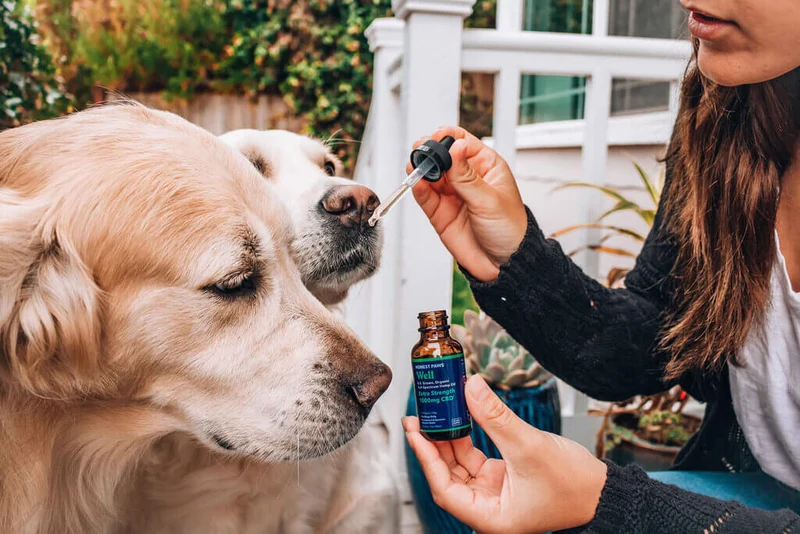
The primary benefit of a dropper bottle is unmatched dosage titration. A five-pound Yorkshire Terrier and an eighty-pound Bernese Mountain Dog require drastically different cannabinoid volumes. With a liquid tincture, you can adjust your dog’s intake drop by drop. This fine-tuned control allows you to start at a minuscule baseline and slowly increase the serving by single milligrams until you find the exact threshold where your dog exhibits calm or mobility support without daytime sluggishness.
Faster Physiological Absorption
When administered directly into a dog’s mouth—ideally along the gums or inner cheek—liquid oil benefits from transmucosal absorption. A notable portion of the active cannabinoids passes directly into the bloodstream through the porous oral mucous membranes, bypassing the liver and gastrointestinal breakdown. This delivery method typically produces observable effects within twenty to forty minutes. For acute triggers like sudden summer thunderstorms, scheduled veterinary visits, or imminent fireworks displays, speed of onset is invaluable.
Minimalist Formulation
Liquid tinctures generally feature stripped-down ingredient decks, often containing nothing more than organic hemp extract and clean MCT oil. For senior dogs managing acute medical diets, chronic pancreatitis, or extensive protein allergies, an unflavored oil eliminates the risk of triggering digestive flare-ups or allergic itching.
The Palatability Challenge
The principal drawback of liquid CBD is administration friction. Natural hemp carries a distinct, bitter herbal aroma and an earthy taste that many dogs find repulsive. Attempting to squirt an oily dropper into the mouth of a suspicious or head-shy dog can quickly turn a calming supplement routine into a stressful wrestling match. While mixing the oil into their regular kibble resolves the behavioral standoff, it negates the benefit of oral mucosal absorption, forcing the oil to navigate digestive processing just like a treat.
CBD Dog Treats: Convenience and Behavioral Ease
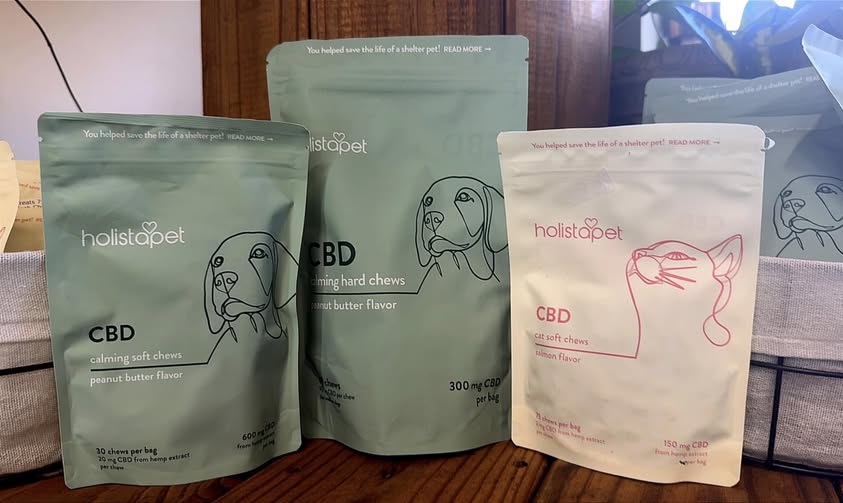
CBD-infused chews and crunchy biscuits approach canine wellness from the opposite perspective, prioritizing taste, seamless administration, and owner convenience.
Effortless Palatability
The undeniable advantage of a chew is cooperation. Formulated with dog-approved aromatics and flavors such as peanut butter, smoked bacon, chicken liver, or salmon oil, treats turn supplement time into a rewarding daily ritual. Even the most discerning eaters rarely inspect a soft chew for medicinal compounds. For owners who struggle with dropper administration, treats remove stress entirely from the equation.
Extended Duration of Effects
Because treats must be swallowed, digested in the stomach, and metabolized through the liver via first-pass metabolism, their onset of action is significantly delayed compared to sublingual liquids. It generally takes anywhere from forty-five to ninety minutes for a treat to begin circulating in the dog’s system. However, that extended digestive path creates a prolonged, sustained release. The effects of an ingested chew tend to linger longer in the body, making this format well suited for steady, all-day comfort in dogs with chronic hip stiffness or prolonged daily separation anxiety.
The Limitations of Pre-Measured Chews
Convenience brings clear compromises. The most glaring drawback is fixed dosing. A single chew might contain five or ten milligrams of CBD. If your medium-sized dog requires seven milligrams to achieve therapeutic comfort without falling asleep, you are forced to break or cut irregularly shaped chews, resulting in guesswork and inconsistent daily dosing.
Furthermore, treats introduce dietary variables. Commercial chews rely on binding starches, preservatives, natural flavorings, and dense fats to maintain texture and shelf life. For dogs with grain sensitivities, poultry intolerances, or strict caloric limits, adding multiple dense chews each day can disrupt gastrointestinal health or contribute to unwanted weight gain.
Finally, manufacturing methods matter. Low-cost brands often spray synthetic or generic extract onto pre-baked biscuits, or bake cannabinoid-infused dough at high temperatures that degrade delicate terpenes and reduce cannabinoid potency. Premium pet treats should always be manufactured using low-temperature, cold-pressed processing methods to preserve compound stability.
Key Considerations for Choosing the Right Format
Selecting between oil and treats is rarely a matter of which format is objectively superior; it comes down to matching the delivery mechanism to your dog’s unique routine and health profile.
- Acute Anxiety vs. Chronic Maintenance: If your primary objective is addressing immediate, situational stress such as fireworks, thunderstorms, or car travel, liquid oil provides the rapid absorption needed to intervene quickly. If your goal is managing baseline morning stiffness or sustained daytime tranquility while you are at work, the slow, lingering release of a digestive chew often proves more effective.
- Gastrointestinal and Dietary Vulnerabilities: Dogs with sensitive digestive systems, inflammatory bowel conditions, or a history of dietary indiscretion thrive best on the simplicity of pure oil. Conversely, if your dog has an iron stomach and views daily routine through the lens of food rewards, high-grade chews provide frictionless compliance.
- Size and Life Stage: For toy breeds weighing under ten pounds, liquid tinctures are practically mandatory to avoid over-serving, as commercial treats rarely break down into fractions small enough for tiny metabolic systems. Large and giant breeds, by contrast, can easily handle the standardized milligram increments found in multi-strength chews.
Safe Administration and Veterinary Transparency
Regardless of the format you choose, responsible pet care begins with professional dialogue. Cannabinoids are metabolized in the canine liver by the cytochrome P450 enzyme family, the same biological pathway responsible for breaking down common veterinary pharmaceuticals. If your dog currently takes non-steroidal anti-inflammatory drugs (NSAIDs) like carprofen, seizure medications like phenobarbital, or behavioral therapies, adding CBD can alter how those medications clear the system. Always discuss cannabinoid supplementation with your veterinarian to establish safe dosing protocols and schedule routine liver enzyme checks.
Additionally, scrutinize quality assurance data before making a purchase. Request an independent, batch-specific Certificate of Analysis (COA) to verify that the product is free from pesticides, heavy metals, residual solvents, and biological pathogens. Ensure the report confirms non-detectable THC levels and verifies that the formulation contains zero artificial sweeteners like xylitol, an ingredient that is completely toxic and potentially fatal to dogs even in minute quantities.
Balancing efficacy with daily practicality is the key to successful canine wellness. By evaluating your dog’s size, dietary tolerances, and behavioral needs, you can select a CBD format that delivers reliable, lasting comfort while keeping daily care simple and stress-free.