Cats are masters of concealment. Whether navigating the quiet discomfort of aging joints or internalizing the stress of a sudden home renovation, a feline rarely announces distress with obvious cues. When pet owners decide to explore cannabidiol to support their cat’s comfort, emotional balance, or mobility, they often find an overwhelming marketplace. Rows of glossy dropper bottles and amber vials promise calm and vitality, but their product labels are frequently crammed with ambiguous claims, dense metric conversions, and marketing buzzwords.
Shopping for a cat demands a far higher degree of scrutiny than shopping for a dog or even for yourself. Cats possess a fragile, idiosyncratic physiology that makes them exceptionally sensitive to botanical compounds, carrier lipids, and incidental additives. A misread label is not merely a waste of money; in the feline world, it can introduce serious biological toxicity. Learning to dissect a pet CBD label with forensic precision ensures you choose a formula that is both therapeutically effective and metabolically safe.
The Feline Metabolic Difference: Why Labels Demand Scrutiny
Before evaluating packaging, one must understand why feline label reading requires such extreme caution. Cats are obligate carnivores, and their internal biology evolved to process an animal-exclusive diet. As a consequence of this evolutionary path, the feline liver is notably deficient in several key detoxification enzymes, most prominently the glucuronosyltransferase pathway.
This metabolic quirk means that feline systems struggle to metabolize and clear a wide range of organic compounds that humans and dogs process with ease. Phenolic compounds, terpene concentrations, synthetic flavorings, and specific botanical oils linger in a cat’s bloodstream far longer than intended, accumulating over consecutive days until they reach toxic thresholds. When you evaluate a feline CBD product, you are not simply looking for what the manufacturer put inside the bottle; you are actively hunting for ingredients that should never enter a cat’s system.
Differentiating Active Cannabinoids from Culinary Hemp Seed Oil
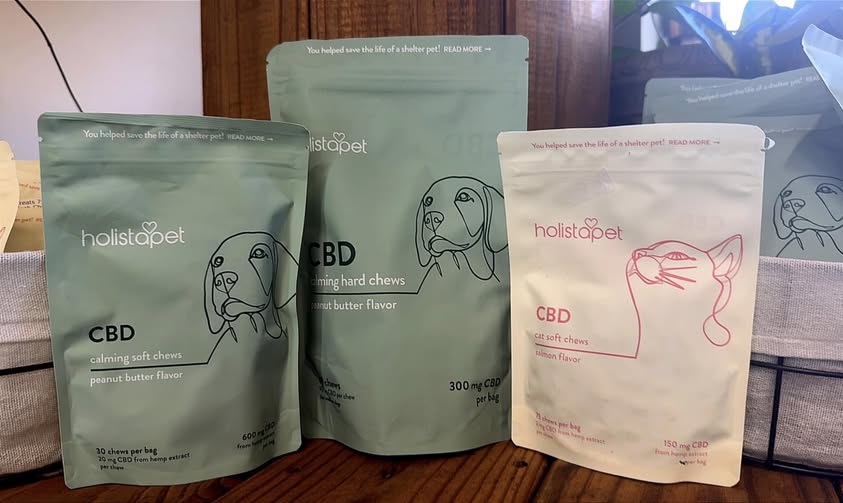
The most widespread deceptive practice in over-the-counter pet supplements involves blurring the distinction between therapeutic hemp extract and culinary hemp seed oil. Mass online marketplaces frequently host products packaged in clinical-looking droppers boasting astronomical numbers like “50,000 mg” across the primary display panel.
Turn the box over and inspect the actual ingredient list. If the active ingredient is listed as Cannabis sativa seed oil, virgin hemp oil, or cold-pressed hempseed oil, the product contains zero active cannabidiol. Hemp seed oil is cold-pressed exclusively from the seeds of the plant. While it serves as a nutritious culinary lipid rich in omega fatty acids, it contains no cannabinoids and delivers no endocannabinoid support.
Authentic therapeutic formulations explicitly identify the raw material as broad-spectrum hemp extract, hemp extract from aerial parts, or purified cannabidiol isolate. If the label fails to list the precise milligram concentration of active cannabinoids per serving, put the product back on the shelf.
Decoding the Spectrum: Why THC Content Must Be Zero
Cannabis extracts fall into three standard categories, and choosing the wrong classification for a cat carries severe consequences.
Full-Spectrum Extracts
Full-spectrum oils contain the plant’s complete phytochemical range, including secondary cannabinoids, natural terpenes, and trace amounts of delta-9 tetrahydrocannabinol (THC) up to the legal federal ceiling of 0.3 percent. While this tiny trace is considered non-intoxicating for humans and generally tolerated by dogs, cats exhibit intense biological intolerance to THC. Even microscopic fractions can trigger cannabinoid toxicity in a feline, resulting in neurological disorientation, tremors, urinary incontinence, hypothermia, and extreme distress. Full-spectrum products should generally be avoided when shopping for cats.
Broad-Spectrum Extracts
Broad-spectrum processing subjects raw extract to specialized chromatographic refinement that selectively removes all detectable THC while leaving minor cannabinoids like CBG and CBN intact. This profile allows the animal to benefit from the entourage effect—where multiple botanical compounds cooperate to enhance efficacy—without exposing fragile feline neurobiology to psychoactive risks.
CBD Isolate
Isolate represents cannabidiol in its purest crystalline form, stripped clean of all companion cannabinoids, plant waxes, and terpenes. Testing at 99 percent purity or higher, isolate offers absolute predictability and zero risk of THC exposure. For cats with extreme chemical sensitivities or highly reactive gastrointestinal systems, isolate often serves as the safest starting point.
Calculating Potency and Volumetric Concentration
One of the easiest ways to endanger a cat is buying a high-concentration human or canine product with the assumption that you can simply administer a tiny fraction of a drop. A standard adult house cat weighs between eight and twelve pounds. Because feline cannabinoid dosing is measured in fractional milligrams, human-strength products make accurate measurement virtually impossible.
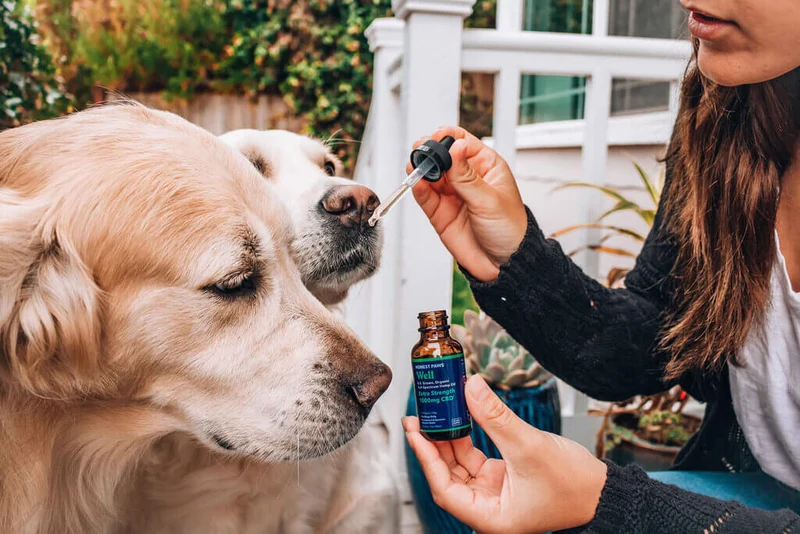
Examine the label for the concentration per milliliter (mg/mL) rather than focusing on the headline milligram count stamped on the front of the carton. A 30-milliliter bottle containing 300 mg of CBD delivers 10 mg of active compound per full 1-milliliter dropper. Each individual drop from that calibrated glass pipette dispenses roughly 0.5 mg, allowing you to titrate your cat’s intake with microscopic precision.
Conversely, attempting to dose an eight-pound cat using a high-potency 1,500 mg tincture means a single drop delivers several milligrams at once. If your pet only requires 1.5 mg to manage mobility stiffness or vet-visit stress, an accidental extra drop could induce prolonged lethargy, digestive distress, or pronounced ataxia. Choose lower-concentration formulas specifically designed for feline body weights.
Scrutinizing Carrier Oils and Inactive Ingredients
The carrier oil forms the vast majority of any liquid tincture. Because cats are obligate carnivores, the carrier lipid must be both easily digestible and naturally palatable to a feline palate.
Optimal Carrier Lipids
The gold standard carrier for feline formulations is coconut-derived MCT oil (medium-chain triglycerides) or clean animal-based marine oils, such as wild Alaskan salmon oil, sardine oil, or krill oil. MCT oil is odorless, tasteless, and rapidly metabolized by the liver without putting undue strain on the pancreas. Marine oils provide the added benefit of rich EPA and DHA omega-3 fatty acids, which enhance cannabinoid absorption while naturally encouraging an uncooperative cat to lap the oil from a saucer without restraint.
Toxic Additives to Eliminate Immediately
Inspect the inactive ingredients deck for hidden chemical hazards. The following substances should never appear on a feline product label:
- Essential Oils and Terpene Blends: Formulators frequently add essential oils like peppermint, eucalyptus, citrus, lavender, or tea tree to human or canine tinctures for aroma or flavor. These oils contain concentrated terpenes and phenolic compounds that feline livers cannot metabolize, leading to acute organ toxicity.
- Artificial and Synthetic Sweeteners: Compounds like xylitol are exceptionally toxic to pets, provoking life-threatening hypoglycemia and acute liver failure.
- Onion and Garlic Extracts: Often added to savory canine chews to enhance aroma, allium derivatives destroy feline red blood cells, causing life-threatening Heinz body hemolytic anemia.
- Propylene Glycol: Frequently used as a synthetic solvent or stabilizer, propylene glycol is known to cause red blood cell damage in felines and is explicitly prohibited in cat food formulations.
A premium feline tincture requires an ultra-minimalist ingredient deck: clean hemp extract suspended in organic coconut MCT oil or pure marine fish oil. If the ingredient list contains a sprawling paragraph of synthetic texturizers, preservatives, or botanical aromatics, look elsewhere.
The Certificate of Analysis: Verifying the Fine Print
Never purchase a feline CBD product based entirely on what the manufacturer prints on the exterior carton. A legitimate pet brand operates with total transparency, placing a scannable QR code directly on the physical bottle that links to a batch-specific Certificate of Analysis (COA) from an independent, accredited testing facility.
When you scan the code and pull up the digital laboratory sheet, verify that the batch number printed on the bottom of your bottle matches the identifier on the test document. Review three vital checkpoints:
- Potency and Cannabinoid Profile: Confirm that the active cannabidiol concentration matches the label claim and verify that delta-9 THC reads as non-detectable or 0.0 percent.
- Heavy Metals and Pesticides: Hemp is a dynamic bioaccumulator that draws minerals and industrial runoff from agricultural soil. The lab panel must verify non-detectable levels of lead, arsenic, cadmium, mercury, and agricultural chemical sprays.
- Residual Solvents and Microbial Screens: Extraction processes that use volatile hydrocarbons like butane or ethanol must leave zero chemical residues behind. The testing panel must also confirm the complete absence of salmonella, E. coli, mold, and mycotoxins.
Navigating pet CBD labels comes down to understanding feline vulnerability. By selecting THC-free extracts, verifying low volumetric concentrations, avoiding toxic aromatic additives, and demanding independent laboratory confirmation, you ensure that your cat’s wellness routine is anchored in safety, scientific integrity, and genuine therapeutic comfort.