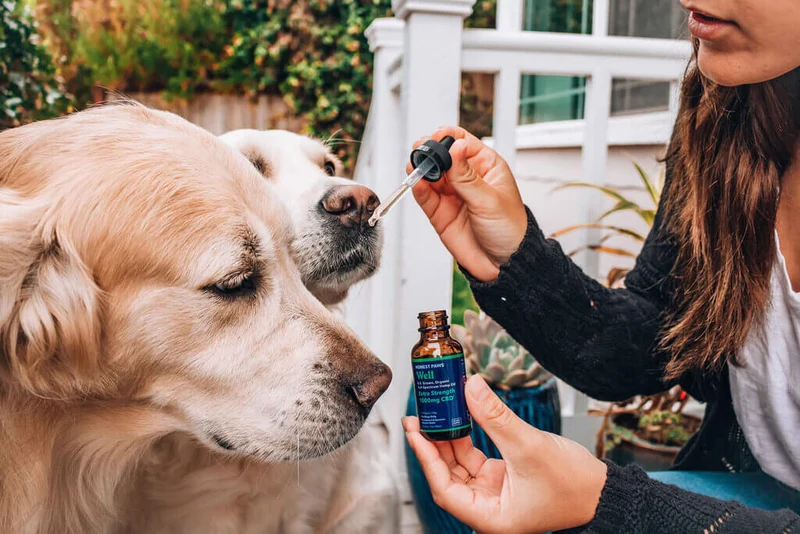
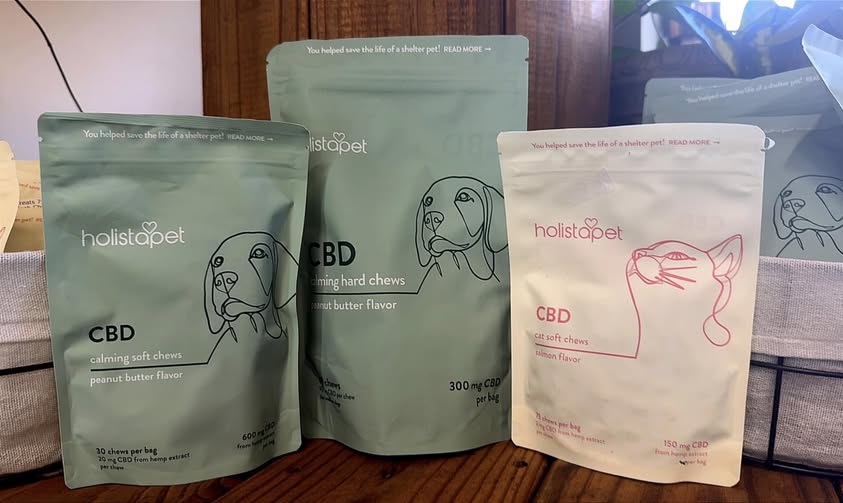
The pet wellness industry operates on a foundation of profound emotional trust. When pet owners shop for themselves, they can evaluate how a supplement makes them feel, notice early warning signs of an adverse reaction, and adjust their routine accordingly. When buying for a dog or cat, the dynamic shifts entirely. An animal cannot verbalize that a tincture causes mild nausea, explain that a chew makes them feel disoriented, or evaluate whether a product is providing genuine relief. The owner carries the full weight of stewardship, making choices for a vulnerable family member who depends completely on their judgment.
Because federal regulations around hemp-derived pet supplements remain incomplete, the marketplace has historically suffered from uneven quality, misleading marketing, and significant formulation discrepancies. In this environment, long-term brand equity cannot be built on colorful packaging, charismatic mascot branding, or broad wellness promises. Enduring consumer loyalty belongs to the companies that embrace radical operational transparency, adhere to clinical-grade manufacturing benchmarks, and treat customer education as an essential responsibility.
Establishing Credibility Through Rigorous Quality Benchmarks
In an industry where mandatory federal standards are still evolving, responsible brands differentiate themselves through proactive self-regulation. Relying merely on baseline agricultural hemp registrations is insufficient when formulating products for companion animals.
Achieving recognition through organizations like the National Animal Supplement Council (NASC) represents the gold standard for pet wellness brands. Securing the NASC Quality Seal requires companies to pass comprehensive, independent facility audits, adhere to strict Current Good Manufacturing Practices (cGMP), and participate in continuous quality control monitoring. More importantly, it mandates enrollment in an Adverse Event Reporting System (AERS), ensuring that any negative customer report is systematically logged, investigated, and reviewed.
Operating within these voluntary frameworks proves that a brand views compliance as a permanent operational discipline rather than an inconvenient regulatory hurdle. When national pet retailers, specialty veterinary clinics, and discerning pet owners look for products, third-party quality seals provide immediate, tangible proof that a company maintains strict manufacturing protocols.
Sourcing Integrity and Analytical Verification
A pet product is only as safe as the soil in which its raw botanical material is grown. Because hemp is an efficient bioaccumulator, it draws nutrients, minerals, and toxic contaminants directly from the surrounding ground through phytoremediation. If biomass is cultivated in soil containing heavy metals, persistent agricultural pesticides, or chemical runoff, those contaminants are concentrated during the cannabinoid extraction process.
Responsible brand stewardship begins at the agricultural source. Companies must establish verifiable relationships with domestic farms operating under certified agricultural programs, ensuring that biomass is grown without synthetic pesticides or harmful chemical fertilizers.
Once harvested and processed, that raw material must be accompanied by exhaustive analytical proof. A legitimate brand does not hide its testing behind customer service inquiry forms or display a single, outdated laboratory sheet on a general website page. Every finished production run must be tied directly to a batch-specific Certificate of Analysis (COA) generated by an accredited, independent third-party laboratory.
Brands should make these reports effortlessly accessible by printing scannable QR codes and legible lot numbers on every physical carton and bottle. A complete, pet-specific COA must document several non-negotiable parameters:
- Accurate Potency Verification: Proving that the exact milligrams of active cannabidiol per milliliter match the label claims within tight manufacturing tolerances.
- THC Screening: Verifying that tetrahydrocannabinol levels are thoroughly documented, with broad-spectrum and isolate formulations demonstrating non-detectable concentrations.
- Heavy Metal and Pesticide Panels: Confirming non-detectable thresholds for lead, cadmium, arsenic, mercury, and agricultural chemical residues.
- Residual Solvent and Microbial Testing: Ensuring that extraction solvents like butane or ethanol have been completely purged, and screening for harmful pathogens including salmonella, E. coli, mold, and mycotoxins.
Formulating for Species-Specific Biology
One of the most irresponsible practices in the cannabinoid sector is repackaging a human tincture in a dog-themed box without altering the formulation. Dogs and cats have distinct biological systems that require specialized formulation approaches.
Canine Sensitivity and THC Intolerance
Dogs possess an unusually high concentration of cannabinoid receptors in their hindbrain and cerebellum, making them exceptionally sensitive to cannabinoid signaling. While this heightened receptor density allows them to experience therapeutic benefits at modest doses, it also leaves them acutely vulnerable to cannabinoid toxicosis from THC. Exposure to trace amounts that a human would not notice can induce severe neurological disorientation, static ataxia, urinary incontinence, and acute panic in a canine. Responsible brands formulation-test their products to ensure predictable, safe experiences that prevent accidental intoxication.
Feline Metabolic Vulnerabilities
Formulating for cats presents even steeper physiological boundaries. As obligate carnivores, felines possess a deficiency in the liver’s glucuronosyltransferase pathway, severely limiting their ability to metabolize phenolic compounds, volatile terpenes, and concentrated plant chemicals.
A responsible pet brand formulates feline-specific SKUs using clean, broad-spectrum extracts or pure CBD isolate, avoiding heavy botanical terpene blends that feline livers cannot clear. Furthermore, inactive ingredients must be scrutinized. Flavorings commonly found in human or canine products, such as essential oils (peppermint, citrus, or tea tree) and allium extracts (garlic and onion), are toxic to cats. Carrier lipids must also be chosen with care; neutral coconut-derived MCT oil or marine-derived lipids like wild Alaskan salmon oil support feline digestion while providing appealing, natural palatability.
Turning Customer Education into a Core Business Pillar
Transparency is meaningless if consumers lack the context to understand the information provided. Rather than using promotional marketing to push quick conversions, responsible brands invest heavily in clear, objective consumer education.
Demystifying Dosing and Administration
The most frequent point of failure for pet parents is improper dosing. Many owners either administer a microscopic amount that produces no observable benefit or give an excessive serving that induces heavy lethargy. Responsible brands eliminate ambiguity by providing straightforward dosing charts based on accurate weight tiers and exact milligram-per-milliliter concentrations rather than arbitrary dropper counts. Educational resources should clearly instruct owners to adopt a start low and go slow titration method, allowing the pet’s system several days to acclimate before adjusting the daily serving.
Setting Honest, Compliant Expectations
The pet supplement space has frequently been tarnished by brands making reckless medical claims, suggesting that hemp extract can cure canine cancer, eliminate canine arthritis overnight, or permanently resolve severe clinical separation anxiety. A trustworthy brand adheres strictly to regulatory standards, explicitly framing its products as structural and functional wellness support designed to promote joint comfort, encourage daily relaxation, and maintain emotional equilibrium. Setting realistic expectations prevents owners from abandoning essential veterinary therapies in favor of unproven promises.
Fostering Collaborative Veterinary Dialogue
A responsible brand never positions its products as a replacement for professional veterinary medicine. Educational packaging and digital guides should actively encourage pet parents to consult their veterinarians before introducing cannabinoids, particularly if an animal is already taking prescription medications. Because cannabinoids are metabolized by the hepatic cytochrome P450 enzyme system, they can alter the clearance rates of common veterinary pharmaceuticals, such as NSAIDs, blood pressure medications, and anti-seizure therapies. Guiding owners toward transparent conversations with their veterinarians protects animal safety and builds lasting respect within the veterinary community.
Building an enduring pet CBD brand requires moving beyond short-term sales tactics and treating consumer trust as an invaluable operational asset. By committing to rigorous third-party auditing, transparent batch-level laboratory testing, species-appropriate formulating, and responsible consumer education, brands can elevate the entire industry while providing pet parents with the safe, dependable support their animals deserve.