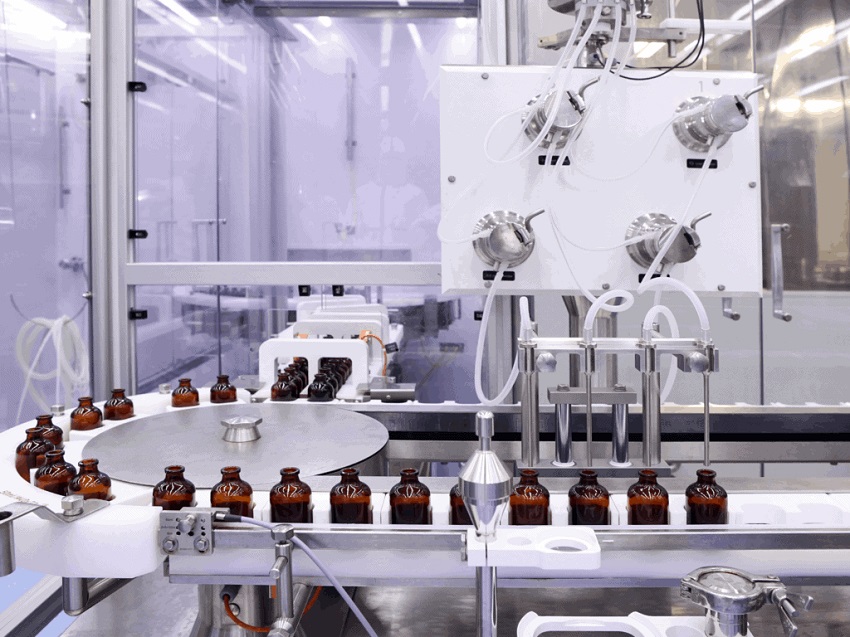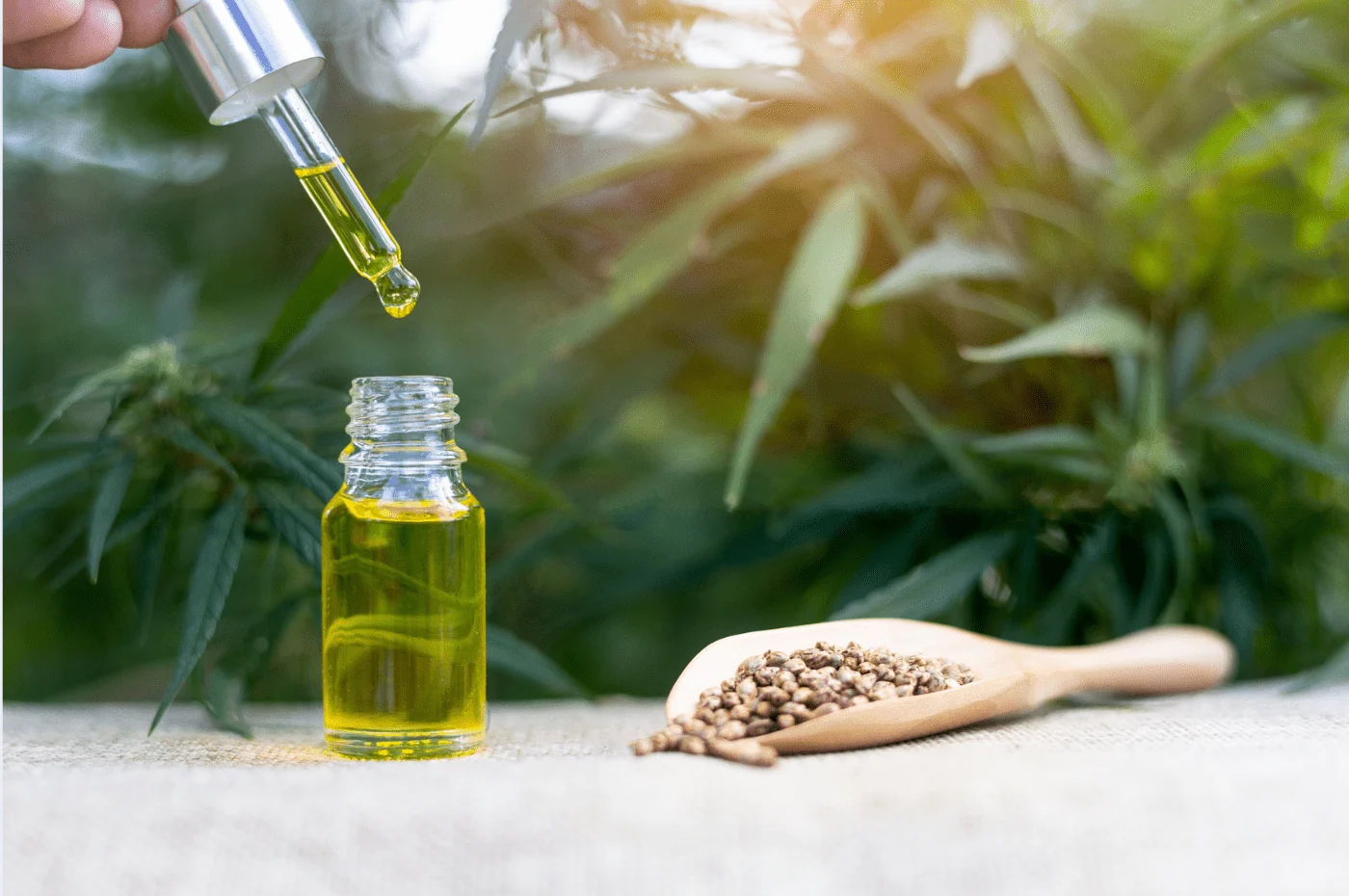
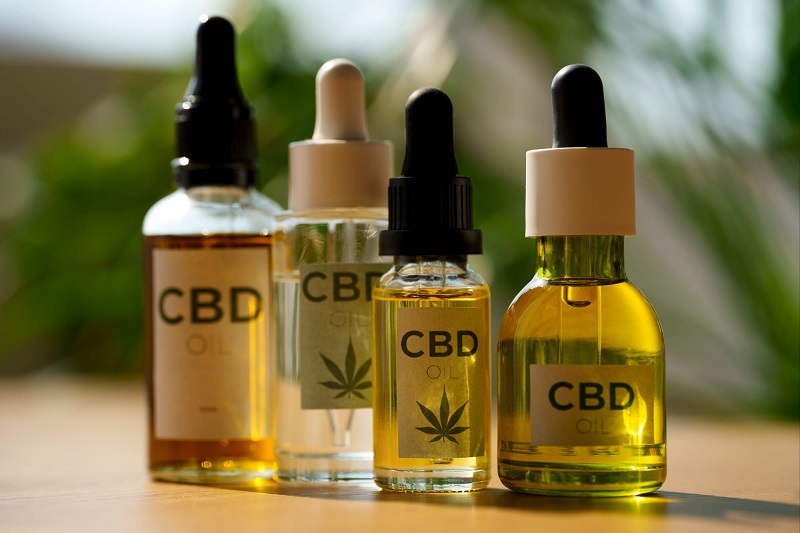
Walk into any neighborhood health store or browse wellness marketplaces online, and you will find shelves lined with amber glass droppers promising balance, calm, and recovery. What you will also find is an overwhelming disparity in price, labeling, and quality. Because federal regulations around hemp extracts remain loosely defined, the marketplace functions largely on an honor system. A thirty-dollar tincture can range from a medical-grade botanical extract to little more than flavored vegetable oil packaged in persuasive branding.
Evaluating CBD oil requires looking past minimalist labels and buzzwords. Making an informed choice comes down to understanding raw material sourcing, chemical extraction, carrier dynamics, and laboratory verification. If you know how to read the fine print, separating authentic craftsmanship from opportunistic marketing takes only a few minutes.
Decoding the Extract Spectrum
Before evaluating manufacturing standards, you need to know which type of extract aligns with your goals. Manufacturers process the cannabis plant into three distinct categories of extract, each offering a fundamentally different chemical profile.
Full-Spectrum CBD
Full-spectrum extracts capture the plant’s complete natural phytochemical profile. This includes cannabidiol alongside minor cannabinoids like CBG, CBN, and CBC, aromatic terpenes, flavonoids, and trace amounts of THC (no more than 0.3 percent by dry weight). These compounds work in tandem through what researchers call the entourage effect, a synergistic biological process where cannabis compounds amplify one another’s benefits while tempering potential side effects. Full-spectrum is widely considered the gold standard for potency, though the minute THC content can pose a concern for individuals subject to strict workplace drug testing.
Broad-Spectrum CBD
Broad-spectrum oil undergoes an additional refinement step designed to isolate and eliminate THC while keeping the surrounding minor cannabinoids and terpenes intact. It provides a practical compromise for consumers who want the synergistic benefits of whole-plant compounds without any detectable THC in their system.
CBD Isolate
Isolate represents cannabidiol in its purest crystalline form, typically testing at 99 percent purity or higher. The processing strips away all accompanying plant matter, terpenes, and secondary cannabinoids. While isolate eliminates any variable taste and guarantees zero THC, it lacks the entourage effect, often requiring higher or more precise dosing to achieve the desired effect.
The Absolute Prerequisite: Third-Party Lab Reports
If a brand cannot produce an up-to-date Certificate of Analysis (COA) from an independent testing facility, stop right there. In-house testing means nothing; reputable companies send random batch samples to accredited third-party laboratories to verify purity and potency.
A legitimate COA should match the specific batch or lot number stamped on your physical bottle. When examining a lab sheet, look closely at four critical panels:
- Cannabinoid Potency: Compare the measured milligrams of CBD per gram or milliliter against what the front label advertises. Deviations within ten percent are standard in botanical manufacturing, but dramatic discrepancies indicate careless formulation.
- Heavy Metals: Hemp has strong phytoremediation properties, meaning it naturally cleans soil by sucking up environmental contaminants. A clean report must confirm non-detectable levels of lead, arsenic, cadmium, and mercury.
- Residual Solvents: Low-grade extraction processes rely on volatile hydrocarbons. The lab report should confirm that volatile chemical residues like butane, heptane, and propane are absent.
- Microbial and Pesticide Screens: Verify that the raw material is free of mold, salmonella, yeast, mycotoxins, and synthetic pesticides.
A company that buries its lab sheets behind customer service requests or publishes reports that are two years old is signaling a lack of operational discipline. Transparent brands place scannable QR codes directly on their product boxes.
Sourcing and Extraction Methods
A finished product is only as safe as the soil its source plant grew in and the chemical process used to pull the oil out.
Because hemp absorbs virtually everything present in the surrounding ground, where the crop is cultivated matters immensely. Look for brands that source their biomass from domestic farms operating in states with established agricultural oversight, such as Colorado, Oregon, or Kentucky, or from certified organic farms in Europe. Crops grown under unregulated conditions carry a far higher risk of heavy metal contamination and pesticide runoff.
Once harvested, the plant material must undergo extraction. The method chosen dictates both safety and molecular integrity:
- Supercritical CO2 Extraction: The benchmark for high-end tinctures. This process uses pressurized carbon dioxide chilled to a liquid state to gently pull cannabinoids and terpenes from the plant without requiring heat or chemical solvents. It leaves zero toxic residues, protects delicate aromatic compounds, and produces an exceptionally pure extract.
- Organic Ethanol Extraction: When performed correctly by skilled processors, food-grade alcohol extraction yields an expansive, whole-plant profile rich in both cannabinoids and natural chlorophyll. It is safe and reliable, provided the alcohol is completely purged prior to bottling.
- Hydrocarbon Solvents: The use of cheap industrial solvents like butane or propane is common among low-cost producers looking to maximize yield on tight margins. While efficient, these techniques require intense purification and carry a significant risk of leaving chemical residue behind in the final oil.
Carrier Oils and Bioavailability
Cannabidiol is fat-soluble, which means your body struggles to absorb it efficiently without a dietary lipid base. The carrier oil used to dilute the raw hemp resin plays a major role in how well your digestive system processes the active compounds.
MCT oil (medium-chain triglyceride) derived from coconuts is the industry standard for good reason. MCTs are processed rapidly by the liver rather than passing slowly through the normal lymphatic digestive tract, enhancing the overall bioavailability of the dissolved cannabinoids. Coconut-derived MCT also has a neutral flavor and an extended shelf life.
Alternative carriers include hemp seed oil and extra virgin olive oil. Hemp seed oil provides a pleasant, nutty, whole-plant profile with a favorable ratio of omega fatty acids, though its heavier consistency can lead to faster oxidation if not stored in a cool, dark environment.
Be wary of complex ingredient lists. A high-grade tincture needs nothing more than full-spectrum or broad-spectrum hemp extract and a clean carrier oil. The addition of synthetic flavorings, artificial sweeteners, colorants, or unnecessary thinning agents often serves to mask poor-quality raw extract or cheap processing.
Spotting Misleading Marketing
The CBD space has attracted its share of deceptive sales practices. One frequent pitfall involves purchasing hemp products on mass e-commerce platforms that officially prohibit cannabinoid sales. Sellers skirt these restrictions by marketing cheap culinary hemp seed oil inside packaging that mimics therapeutic tinctures, splashing large numbers like “50,000 mg” across the label. Hemp seed oil is a nutritious culinary fat pressed from seeds, but it contains zero active cannabinoids. CBD is extracted exclusively from the flowers, leaves, and stalks of the mature plant.
Pay attention to concentration metrics as well. A bottle labeled as 1,000 mg across a 30-milliliter volume delivers roughly 33 mg of CBD per full dropper. Put that same 1,000 mg into a 60-milliliter container, and your concentration drops in half to roughly 16 mg per dropper. Always calculate potency based on milligrams per milliliter rather than the bold number on the front of the box.
Finally, steer clear of brands making sweeping medicinal claims. Reputable producers operate within established compliance standards and focus their messaging on wellness, manufacturing integrity, and lab transparency. Companies promising miracle cures for serious clinical conditions are breaking the law and almost always cutting corners on ingredient quality.
Evaluating CBD comes down to verifying verifiable facts: origin, extraction method, formulation simplicity, and a pristine, independently audited lab report. When a brand does those things well, the quality shows up in every drop.