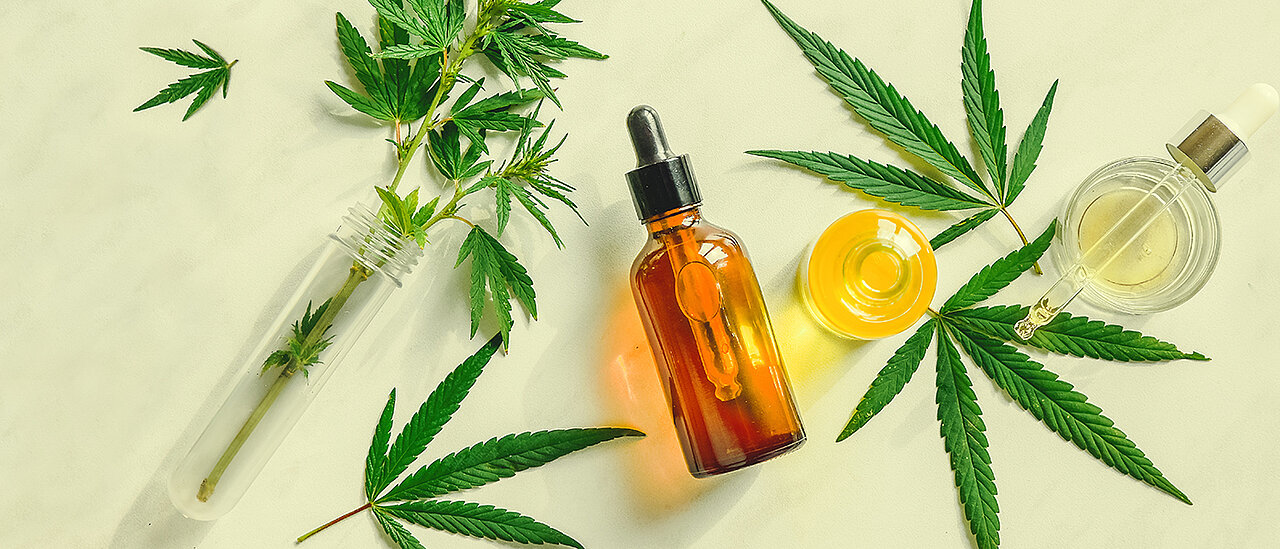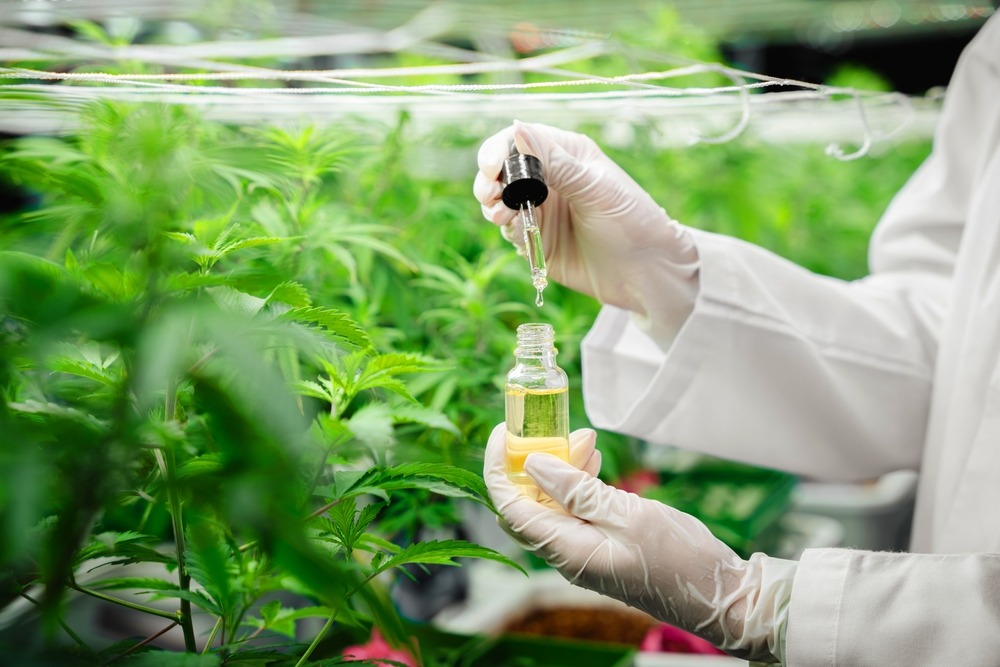
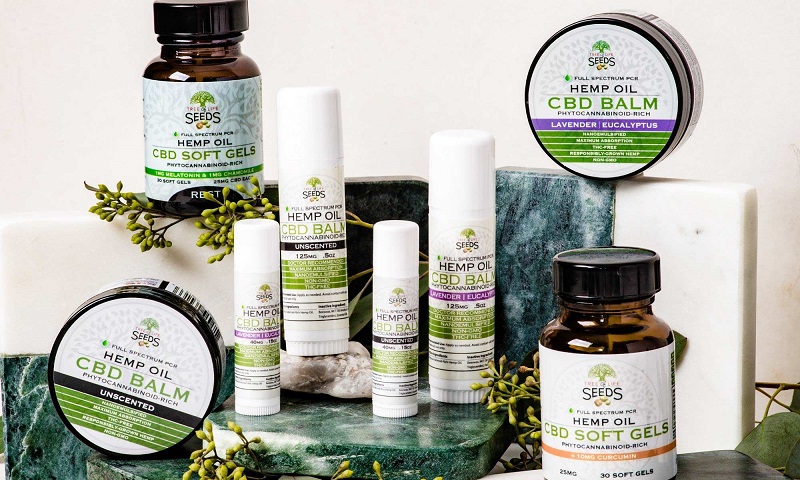
Walking down the wellness aisle or scrolling through an online storefront, shopping for CBD often feels less like choosing a botanical supplement and more like deciphering a chemistry problem. Dropper bottles and tincture boxes arrive swathed in calming earth tones and minimalist typography, yet the panels wrapping around them are frequently packed with dense jargon, conflicting numbers, and vague promises.
Because federal oversight of hemp products remains an evolving patchwork, the burden of quality control falls squarely on the buyer. Two bottles sitting side by side on a shelf might both display the word hemp in bold print, yet one contains an expertly extracted, whole-plant formula rich in active compounds, while the other holds little more than expensive salad oil. Learning how to read a product label and dissect an ingredient panel gives you the practical clarity needed to separate premium craft from clever marketing.
Understanding Extract Types on the Ingredient Deck
The first step in evaluating any product is determining exactly what form of hemp sits inside the container. Manufacturers process cannabis biomass into distinct extract categories, and the specific terms printed on the ingredient list dictate the chemical experience you will have.
Full-Spectrum Hemp Extract
A full-spectrum extract preserves the plant’s native chemical diversity. Alongside cannabidiol, this extract retains minor cannabinoids such as CBG, CBN, and CBC, along with aromatic terpenes and flavonoids. Crucially, it also contains trace amounts of delta-9 THC, legally capped in the United States at no more than 0.3 percent by dry weight. These compounds work synergistically through the entourage effect, a physiological process where plant constituents modulate and enhance one another’s beneficial properties. While trace THC is generally non-intoxicating at standard servings, full-spectrum formulas are not ideal for individuals subject to stringent drug screenings.
Broad-Spectrum Hemp Extract
Broad-spectrum oil undergoes targeted processing to remove detectable THC while keeping the surrounding minor cannabinoids and botanical terpenes largely intact. This format appeals to consumers who want the collaborative benefits of multiple hemp compounds without introducing any measurable THC into their system.
CBD Isolate
Isolate represents cannabidiol purified down to a crystalline structure, typically testing at 99 percent purity or higher. Everything else—terpenes, minor cannabinoids, plant waxes, and chlorophyll—is removed during refining. While isolate eliminates the earthy taste of the plant and guarantees zero THC, it lacks the entourage effect, often requiring higher or more precise individual dosing to achieve a noticeable response.
The Hemp Seed Oil Distinction
One of the most persistent issues on retail shelves involves the intentional confusion between active hemp extract and culinary hemp seed oil. If the primary ingredient is listed simply as Cannabis sativa seed oil without any mention of hemp extract or cannabidiol, you are buying a cold-pressed lipid pressed strictly from seeds. Hemp seed oil is a nutritious culinary fat packed with omega fatty acids, but it contains virtually no active cannabinoids. Legitimate therapeutic products explicitly list aerial parts, hemp extract, or cannabidiol on their ingredient panel.
Calculating True Potency and Serving Size
A common marketing trick in the supplement space centers on headline numbers. A bottle might boast “1,500 mg” in giant font across the front display panel, but that number is meaningless without understanding package volume and serving metrics.
Look immediately at the supplement facts panel to distinguish between total cannabinoid content and the potency per serving. If that 1,500 mg bottle contains 30 milliliters of liquid, one full dropper (typically 1 milliliter) delivers roughly 50 mg of CBD. If that same 1,500 mg is spread across a 60-milliliter container, each dropper provides only 25 mg.
Furthermore, scrutinize how the manufacturer breaks down the cannabinoid content. Transparent brands list the exact milligrams of active cannabidiol per serving rather than hiding behind ambiguous phrases like “50 mg of proprietary hemp blend.” A proprietary blend statement allows unscrupulous manufacturers to pad the weight with inexpensive carrier fats while skimping on the active cannabinoids you are paying to receive.
Evaluating Carrier Oils and Formulation Additives
Cannabidiol is a fat-soluble molecule, meaning it requires dietary lipids to facilitate absorption through the digestive tract and mucosal membranes. Consequently, the carrier oil used to suspend the extract represents the vast majority of what is inside the bottle.
MCT oil (medium-chain triglyceride) derived from coconuts is widely regarded as the gold standard carrier. MCTs bypass lengthy lymphatic digestion and are processed directly by the liver, enhancing the overall bioavailability of dissolved cannabinoids. Coconut-derived MCT oil also provides a neutral, pleasant palate and boasts superior resistance to chemical oxidation, giving the tincture a long, stable shelf life.
Alternative carriers include extra virgin olive oil, avocado oil, and cold-pressed hemp seed oil. While these oils offer pleasant flavor profiles and healthy fatty acid profiles, they tend to oxidize more quickly than MCT oil, meaning they can turn rancid if exposed to ambient heat or sunlight for extended periods.
Beyond the carrier, inspect the remainder of the ingredient deck with a critical eye. A premium tincture requires little more than hemp extract and a clean carrier lipid. If you are purchasing flavored drops, look for organic essential oils or natural plant extracts rather than artificial flavorings. For gummies or capsules, check for artificial dyes, high-fructose corn syrup, synthetic preservatives, or artificial sweeteners that add unnecessary chemical load to a daily wellness product.
Batch Numbers, Expiration Dates, and QR Code Verification
A reputable manufacturer treats every production run with pharmaceutical discipline. Every bottle leaving a packaging line should carry two vital pieces of operational information stamped directly onto the glass or carton: a lot or batch number and a best-by or expiration date.
The lot number is your direct link to product accountability. It allows you to access the product’s Certificate of Analysis (COA), usually by scanning a QR code printed on the exterior carton. This independent laboratory sheet confirms that what the company printed on the label matches reality.
When you pull up the digital lab report, ensure the batch identifier on the report matches the stamp on your bottle. Then verify four fundamental parameters:
- Potency Confirmation: Check that the detected milligrams of CBD match the promised serving size on the box within a reasonable manufacturing tolerance of ten percent.
- Heavy Metals Screening: Verify that lead, cadmium, arsenic, and mercury levels register as non-detectable or fall well beneath established safety thresholds.
- Residual Solvent Analysis: Ensure that extraction solvents like butane, propane, and ethanol have been completely purged from the oil.
- Microbial and Pesticide Panels: Confirm that the biomass was grown free of toxic pesticides and that the oil contains no trace of mold, yeast, or bacterial contamination.
Spotting Warning Flags and Non-Compliant Claims
Knowing what should not appear on a label is just as valuable as knowing what should. The most glaring red flag is medical disease claims. Under federal law, dietary supplements and hemp extracts cannot claim to diagnose, treat, cure, or prevent any medical condition. Any company brazenly stating that their product treats arthritis, cures insomnia, or eliminates chronic clinical depression is in direct violation of basic regulatory standards. Brands that flout marketing compliance almost invariably cut corners on formulation safety and lab testing as well.
Packaging format also signals quality. Cannabinoids degrade when exposed to ultraviolet light. High-grade liquid tinctures should always be housed in amber, cobalt blue, or fully opaque glass bottles rather than clear containers, protecting delicate botanical compounds from premature breakdown.
A little label literacy shifts the balance of power entirely back to you. When you look past front-panel buzzwords, evaluate carrier oils critically, calculate true potency per serving, and demand transparent batch lab results, you can select a clean, effective CBD product with complete confidence.