A few years ago, the presence of hemp on a vanity tray looked like a provocative marketing experiment. Today, cannabidiol has shed its novelty status to become a legitimate, widely integrated active ingredient in contemporary cosmetic formulations. From restorative facial serums and calming barrier creams to balancing scalp elixirs and recovery body soaks, cosmetic chemists have recognized that hemp extracts possess qualities that extend far beyond broad wellness trends.
The sustained enthusiasm surrounding CBD in personal care is not rooted in passing hype, but in how seamlessly the botanical aligns with modern dermatological philosophies. Skincare consumers have increasingly moved away from aggressive, barrier-stripping acids and harsh mechanical exfoliants in favor of restorative, barrier-supporting compounds that calm sensitivity and encourage physiological equilibrium. Within that context, cannabidiol offers a nuanced, multifaceted tool for everyday skin and body maintenance.
The Cutaneous Endocannabinoid System: How Skin Processes Cannabinoids
To understand why CBD functions effectively in topical personal care, one must look closely at the skin’s biological architecture. The human skin is not merely a passive protective shield against the outside world; it is an active, dynamic organ equipped with its own fully functional cutaneous endocannabinoid system.
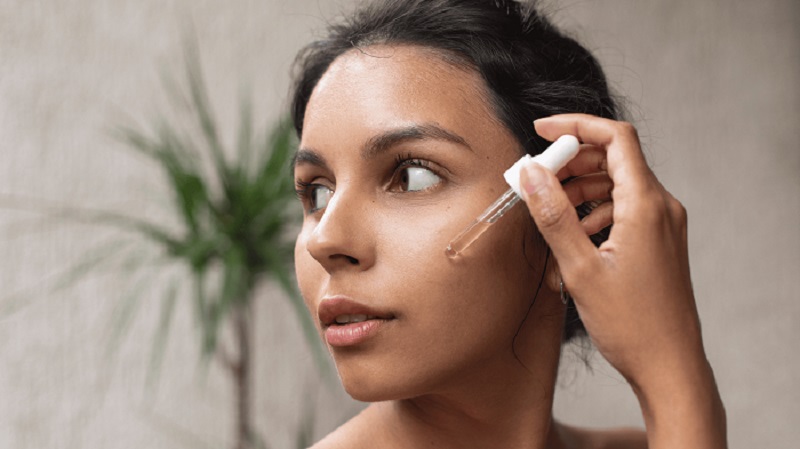
Specialized cannabinoid receptors are distributed throughout nearly every functional layer of dermal tissue. They reside on keratinocytes (the primary cells forming the outermost protective barrier), sebocytes (the glandular cells responsible for sebum production), hair follicles, and cutaneous sensory nerve fibers. When applied topically, cannabidiol does not need to enter the systemic bloodstream to deliver localized benefits. Instead, it interacts directly with these surface-level receptors and peripheral cellular pathways, functioning as a homeostatic modulator that helps normalize physiological imbalances across the epidermal landscape.
Core Skincare Benefits in Modern Formulations
The integration of CBD into daily facial routines addresses several of the most persistent aesthetic concerns, primarily because the compound targets multiple biological pathways simultaneously rather than serving a single cosmetic function.
Quieting Reactive and Barrier-Compromised Skin
Modern skin is perpetually exposed to environmental pollutants, extreme weather shifts, artificial heating, and the unintended consequences of over-cleansing. This constant exposure frequently leads to chronic low-grade inflammation, manifesting as persistent redness, flaking, stinging, and a compromised moisture barrier. Cannabidiol functions as a potent soothing agent, helping interrupt the cellular signaling cascades that cause skin to overreact. By tempering the release of inflammatory cytokines, CBD helps dial back cutaneous reactivity, making it particularly valuable for delicate complexions prone to flushing, environmental irritation, or chronic barrier fatigue.
Balancing Sebum Without Depleting Moisture
Traditional blemish treatments often rely on aggressive drying agents that strip the skin’s acid mantle, inadvertently prompting the sebaceous glands to overcompensate by producing even more oil. CBD approaches oily and breakout-prone complexions from a fundamentally different angle. Cannabidiol exerts a notable sebostatic effect, helping regulate excess oil synthesis at the glandular level without parching surrounding tissue. Combined with its natural purifying and calming characteristics, it helps clear congested skin while keeping the lipid barrier supple and intact.
Defending Against Environmental Oxidative Stress
Premature skin aging is driven largely by external oxidative damage. Exposure to ultraviolet radiation, airborne particulate matter, and digital blue light generates free radicals that dismantle collagen proteins, degrade structural elastin, and trigger uneven pigmentation. Cannabidiol exhibits significant antioxidant capabilities, working alongside well-known cosmetic vitamins to intercept free radicals before they can damage cellular structures. When incorporated into daytime moisturizers or nourishing facial oils, it helps buffer delicate skin against ongoing environmental stressors, supporting cellular resilience over time.
Expanding the Scope: Scalp Wellness and Body Care Rituals
The influence of CBD has traveled well beyond facial serums, becoming an essential component in trichology and therapeutic full-body personal care.
Modern beauty philosophy increasingly recognizes that resilient, healthy hair begins at the scalp. Because the scalp is an extension of facial skin, it is equally vulnerable to micro-inflammation, microbial imbalance, and lipid depletion. CBD-infused scalp serums, leave-in tonics, and clarifying shampoos work to soothe tightness, calm itchy follicular irritation, and rebalance sebum production at the roots, creating an optimal physiological environment for hair vitality.
Similarly, body care formulations have transitioned from simple surface hydrators into restorative physical therapies. High-potency body balms, botanical massage oils, and mineral bath soaks utilize CBD to target physical fatigue and localized tension. When paired with complementary botanicals such as arnica, magnesium, and cooling menthol, topical cannabidiol elevates everyday hygiene into a deliberate self-care ritual, supporting recovery after intense physical workouts or long days spent at a desk.
Navigating Formulation Literacy and Product Selection
As with any rapidly expanding cosmetic category, not every product displaying a green leaf or botanical claim delivers genuine efficacy. Getting measurable results requires learning how to evaluate ingredient decks critically.
One of the most widespread pitfalls involves confusing culinary hemp seed oil with genuine cannabidiol extract. Hemp seed oil is a deeply nourishing, non-comedogenic carrier oil rich in linoleic and alpha-linolenic fatty acids, making it an excellent emollient for locking in hydration. However, it is cold-pressed exclusively from the plant’s seeds and contains virtually zero active cannabinoids. Authentic, targeted CBD topicals are formulated using extracts derived from the flowers, leaves, and stems of the mature plant, listed clearly on ingredient decks as cannabidiol, full-spectrum hemp extract, or broad-spectrum hemp distillate.
Concentration and delivery systems represent another critical distinction. Cosmetic brands occasionally engage in what formulators call fairy dusting, which involves adding a microscopic drop of an expensive botanical purely to feature it on front-facing marketing copy. For a topical formulation to provide noticeable soothing or balancing benefits, it must carry a meaningful concentration of active cannabinoids, typically quantified in total milligrams on the primary packaging. Furthermore, superior formulations incorporate smart delivery vehicles, such as lipid-based carrier oils or micro-emulsions, which facilitate absorption into the upper layers of the skin rather than leaving the active molecule sitting inertly on the surface.
Finally, the botanical’s agricultural provenance dictates its safety. Because the hemp plant actively absorbs minerals and compounds from the soil in which it is cultivated, clean agricultural sourcing is imperative. Premium personal care brands demonstrate this accountability through transparent, third-party laboratory testing verifying that their raw extracts are entirely free from heavy metals, synthetic pesticides, and residual extraction solvents that could irritate sensitive skin.
As the boundaries between therapeutic dermatology and clean beauty continue to merge, cannabidiol has secured a permanent place in modern vanity cabinets. By working alongside the skin’s native regulatory pathways to calm irritation, balance hydration, and buffer against environmental stressors, it proves that the most enduring additions to a personal care routine are those that work in harmony with the body’s natural biology.