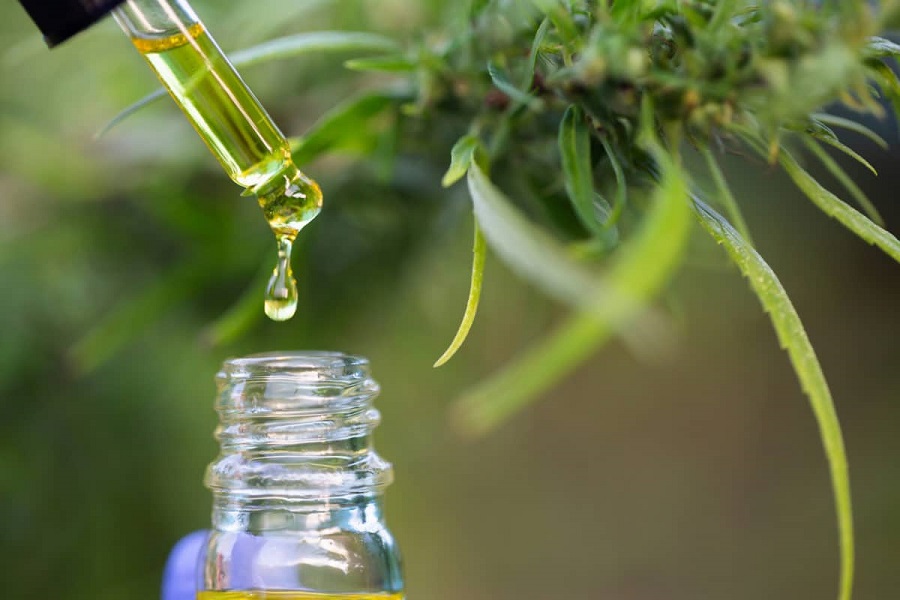
A bottle of CBD oil on a dispensary shelf looks deceivingly simple, but its clarity, aroma, flavor, and therapeutic consistency are decided long before bottling. The journey from harvested hemp biomass to a finished tincture hinges almost entirely on the extraction method. While agricultural variables such as soil composition, genetics, and harvest timing establish the raw botanical potential, extraction determines whether delicate cannabinoids and aromatic terpenes survive intact, degrade under excessive heat, or emerge contaminated with unwanted plant compounds.
Two oils labeled with identical CBD concentrations can deliver completely different user experiences. One might taste smooth and earthy with a pale golden hue, while the other tastes intensely bitter and swampy, or lacks the minor cannabinoids that create a balanced physiological response. Understanding how primary extraction methods work—and what they leave behind—demands examining the chemistry and mechanics of commercial hemp processing.
Supercritical CO2 Extraction: The Gold Standard for Precision and Cleanliness
Carbon dioxide extraction represents the benchmark for premium commercial CBD production. The process relies on bringing carbon dioxide to a supercritical state, a phase where the gas is pressurized and heated until it behaves simultaneously like a dense liquid and an effusive gas. In this state, CO2 flows effortlessly through raw hemp biomass, dissolving trichomes and pulling out target cannabinoids and terpenes without scorching the plant tissue.
The primary advantage of CO2 extraction lies in its tunable selectivity. By adjusting temperature and pressure parameters, technicians can target specific molecular weights.
- Subcritical extraction operates at lower pressures and temperatures. While it yields lower volume, it protects fragile monoterpenes like pinene and limonene that evaporate under heat.
- Supercritical extraction increases pressure to accelerate throughput and strip heavier cannabinoids efficiently, producing a richer yield at the expense of a few volatile aromatics.
Because carbon dioxide returns to a gaseous state once pressure drops, it dissipates naturally from the concentrated extract. There is no toxic residual solvent left in the crude oil, eliminating the need for harsh chemical purging. The drawbacks are primarily logistical: supercritical CO2 machinery demands substantial capital investment and sophisticated operators, which tends to keep finished products at a premium price point.
Ethanol Extraction: Balancing High Throughput with Polar Challenges
Ethanol extraction is the workhorse of industrial-scale hemp manufacturing. High-proof, food-grade ethyl alcohol washes over the plant material, quickly solubilizing cannabinoids from external trichomes. Because ethanol is an efficient solvent, facilities can process thousands of pounds of biomass daily with significantly lower equipment overhead than CO2 systems.
The scientific challenge with ethanol stems from its molecular polarity. Cannabinoids are non-polar lipids, but ethanol is polar, meaning it readily bonds with water-soluble compounds inside the plant, most notably chlorophyll, bitter flavonoids, and dark plant tannins. If ethanol sits in contact with hemp biomass at room temperature for even a few minutes too long, it leaches chlorophyll into the oil, turning the liquid pitch black and introducing an astringent, grassy taste that upsets sensitive stomachs.
To overcome this, modern producers rely on cryogenic ethanol extraction. By chilling the solvent and biomass to sub-zero temperatures—often minus 40 degrees Fahrenheit or lower—the solubility of waxes and chlorophyll drops dramatically while cannabinoids dissolve readily. The resulting crude extract is markedly cleaner, requiring far less post-processing to yield a stable, palatable tincture. Once extracted, the alcohol is evaporated through vacuum rotary evaporators or falling film systems and recycled for subsequent batches.
Hydrocarbon Extraction: Preserving the Authentic Botanical Profile
Hydrocarbon extraction utilizes light gases, primarily pressurized butane and propane, running through closed-loop systems. While frequently associated with recreational cannabis concentrates, hydrocarbon processing holds a valuable place in the production of high-terpene CBD extracts and concentrates like live resin, budder, and shatter.
Hydrocarbons boast exceptionally low boiling points—butane boils right around freezing, and propane boils well below zero. This physical property allows processors to recover and strip the solvent from the extract under minimal heat. Heat is the natural enemy of terpenes; high temperatures boil off aromatics and convert minor cannabinoids into degraded byproducts. Hydrocarbon extraction protects the full aromatic bouquet of the living plant, capturing heavy concentrations of myrcene, caryophyllene, and linalool alongside CBD, CBG, and CBC.
The trade-off centers squarely on safety and execution. Operating closed-loop hydrocarbon equipment requires explosion-proof laboratory architecture. Furthermore, the finished extract must spend extended periods in specialized vacuum purge ovens to eliminate residual hydrocarbons. If a processor cuts corners during the purging phase, trace butane or propane remains trapped in the oil, failing consumer safety standards.
Lipid Infusion: The Gentle, Unrefined Alternative
Before commercial closed-loop machines entered the market, lipid infusion served as the traditional method for pulling medicinal compounds from herbs. This technique bypasses chemical solvents and pressurized gases entirely, steeping gently decarboxylated hemp flowers directly into an organic carrier oil, typically medium-chain triglyceride (MCT) coconut oil, hemp seed oil, or olive oil.
Because cannabinoids are naturally lipophilic (fat-soluble), the fatty acids in the carrier oil bind directly to the cannabinoids and terpenes over several hours of controlled, low-temperature heating. The spent biomass is strained out, leaving behind a finished, infused oil ready for direct consumption.
Lipid infusion maintains the natural profile of the plant without introducing harsh chemical reagents, making it attractive to clean-label purists. However, it carries clear commercial limitations:
- The extract cannot be concentrated or stripped down into crystalline isolates or high-potency distillates.
- Potency is capped by the natural absorption threshold of the carrier oil, resulting in lower milligram concentrations per milliliter.
- The presence of residual moisture and micro-particulates leads to a significantly shorter shelf life compared to solvent-extracted concentrates.
Downstream Refining: Shaping the Final Product Category
The initial extraction step yields what processors call crude oil—a dark, viscous concentrate containing cannabinoids, alongside natural plant waxes, lipids, and sterols. How a lab refines that crude determines whether the end product becomes a Full Spectrum oil, a Broad Spectrum oil, or a pure CBD Isolate.
Winterization and Filtration
Crude extract is combined with alcohol, frozen, and passed through micron filters. Freezing causes heavy plant waxes, fats, and lipids to coagulate and fall out of solution. Stripping these compounds ensures the oil remains translucent and liquid at room temperature rather than turning cloudy or congealing in the dropper.
Decarboxylation
Raw hemp contains cannabidiolic acid (CBDa) rather than active CBD. Processors apply controlled, steady heat to release the carboxyl group from the molecular chain, transforming CBDa into bioavailable CBD without burning off surrounding minor cannabinoids.
Fractional Distillation and Chromatography
To produce golden distillate, processors feed winterized oil into a short-path or wiped-film distillation unit. Under deep vacuum, compounds vaporize at specific temperatures, allowing the lab to isolate cannabinoid fractions while leaving scorched plant material behind. If the goal is Broad Spectrum oil, the distillate passes through centrifugal partition chromatography to selectively strip out delta-9 THC while retaining secondary compounds like CBN and CBG. To create CBD Isolate, the target fraction undergoes chemical crystallization, precipitating out as a white, 99 percent pure powder free of any scent, flavor, or secondary plant compounds.
What Extraction Means for the Final User Experience
Processing methods directly dictate therapeutic efficacy, visual appeal, and physical safety. High-end supercritical CO2 and cryogenic ethanol processing produce clean distillates that support the entourage effect—the synergistic interaction where cannabinoids and terpenes boost each other’s receptor binding affinity—without subjecting the user to residual hydrocarbons or bitter plant debris.
Conversely, poorly purged hydrocarbon extracts present chemical safety risks, while aggressive heat cycles during sloppy ethanol recovery yield an inert product stripped of its original botanical complexity. Evaluating a CBD product requires looking past slick packaging and checking third-party Certificates of Analysis (COAs) for extraction-specific markers: clean residual solvent panels, healthy secondary cannabinoid percentages, and preserved terpene profiles. The quality in the dropper is always a direct reflection of the chemistry in the lab.