A well-formulated bottle of CBD oil represents an intricate balance of organic chemistry. Extractors spend weeks optimizing winterization temperatures, refining cannabinoid ratios, and preserving delicate terpene profiles to deliver a clean, bioavailable liquid. Yet once the oil leaves the cleanroom of a manufacturing facility, that carefully calibrated formulation enters a hostile environment. From warehouse pallets and retail display cases to bathroom countertops, finished hemp products face constant exposure to ambient elements that threaten their chemical stability.
Packaging is often treated as a visual asset—a canvas for minimalist typography, matte finishes, and brand storytelling. In the hemp sector, however, container architecture serves a far more critical role: it functions as a primary preservation system. Without protective engineering, even the purest full-spectrum distillate will steadily degrade into an ineffective, bitter, and oxidized liquid before the consumer reaches the bottom of the bottle.
The Chemistry of Cannabinoid Degradation
To understand why container engineering matters, one must examine the specific vulnerabilities of hemp extracts. Cannabidiol is a lipophilic phytocannabinoid that remains stable under cool, dark, anaerobic conditions. Once exposed to oxygen, ultraviolet light, and ambient heat, however, its molecular structure undergoes predictable breakdown.
Photolytic degradation occurs when light radiation breaks covalent bonds within cannabinoids. Ultraviolet rays (UV-A and UV-B) and high-energy visible blue light trigger photochemical reactions that convert active cannabinoids into inactive byproducts or accelerate the transformation of THC traces into cannabinol (CBN). Concurrently, volatile monoterpenes like myrcene, limonene, and pinene evaporate or isomerize, stripping the oil of its authentic aroma and muting the synergistic entourage effect.
Simultaneously, the carrier oil housing the extract faces lipid peroxidation. Most high-grade tinctures rely on medium-chain triglyceride (MCT) coconut oil, hemp seed oil, or extra virgin olive oil. When ambient oxygen enters the container, atmospheric oxygen binds with unsaturated fatty acids in the carrier base. This reaction creates lipid hydroperoxides, turning the oil rancid, darkening its color from golden amber to muddy brown, and producing a foul, scratchy taste that irritates the throat.
Substrate Matters: Why Glass Dominates Over Plastics
The material comprising the primary container dictates the physical and chemical barrier between the product and the outside world. While lightweight plastics dominate conventional beverage and cosmetic markets, premium CBD tinctures overwhelmingly rely on heavy glass containers.
The Problem with Polymer Permeability
Standard plastics like polyethylene terephthalate (PET) and low-density polyethylene (LDPE) are microscopic sieves. At a molecular level, common polymers possess varying degrees of gas permeability, allowing oxygen molecules to slowly migrate into the container while volatile aromatic compounds escape.
Furthermore, full-spectrum extracts contain dense terpene concentrations. Terpenes act as natural organic solvents; over months of contact, strong terpenes like limonene can soften, warp, or leach synthetic plasticizers out of low-grade polymer walls. This chemical interaction introduces harmful leachables into an oral wellness product and permanently compromises the container’s structural seal.
Amber and Biophotonic Glass
Glass is completely non-porous and chemically inert. It forms an absolute vapor barrier that refuses to react with acidic compounds, fatty lipids, or concentrated botanical terpenes. However, using clear flint glass completely defeats the purpose by allowing 100 percent of visible and UV light directly into the tincture.
- Amber Soda-Lime Glass remains the industrial gold standard for photoprotection. The iron and sulfur additives in amber glass absorb virtually all light waves under 450 nanometers, filtering out damaging UV-A, UV-B, and short-wavelength violet light while permitting harmless red wavelengths to pass through.
- Violet (Biophotonic) Glass offers an even more specialized alternative. Often appearing nearly opaque black to the naked eye, this glass completely blocks the entire visible light spectrum with the exception of specific infrared and violet frequencies. By eliminating light that fuels cellular oxidation, violet containers dramatically extend shelf life without relying on synthetic preservatives.
Dispenser Engineering and the Oxygen Challenge
The bottle itself is only half the enclosure equation. The closure mechanism represents the most common failure point for long-term tincture freshness.
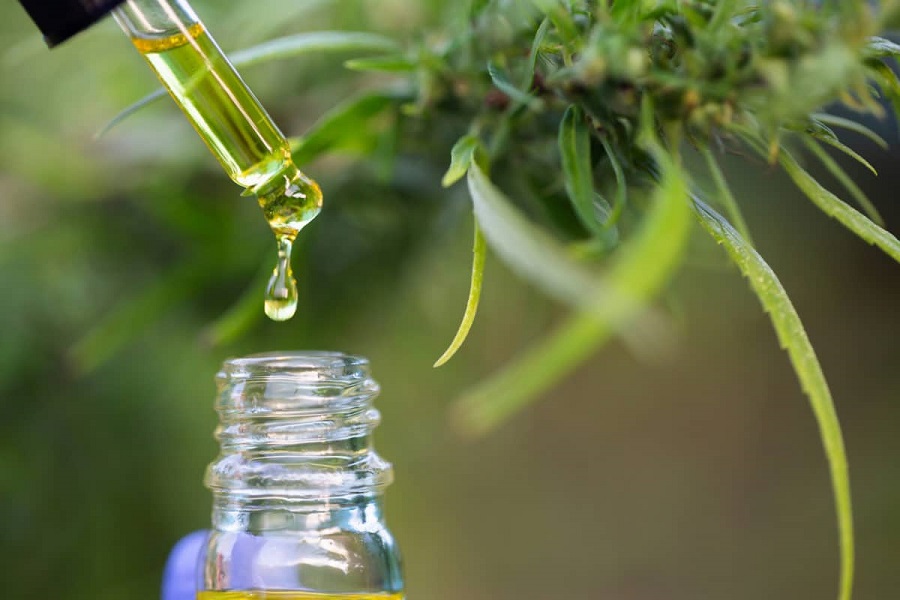
The classic dropper pipette—consisting of a glass tube, a plastic screw collar, and a flexible rubber bulb—is the standard dispenser for sublingual administration. It allows users to titrate precise liquid measurements, but it introduces distinct preservation hurdles.
Standard natural rubber bulbs are slightly porous to air. Over extended storage, fatty acids and airborne terpenes can cause natural rubber to degrade, become tacky, or impart an acrid odor to the oil. Responsible manufacturers address this by specifying fluoropolymer-coated rubber or synthetic thermoplastic elastomers (TPE), which resist terpene erosion and maintain a tighter mechanical seal.
The Rise of Airless Pumps and Metered Orifices
Every time a user unscrews a standard dropper, ambient room air rushes into the bottle, replacing the void and introducing a fresh supply of oxygen to the remaining oil. For a consumer taking a daily dose over two months, that means dozens of separate oxidation cycles.
To counter this, forward-thinking brands are shifting toward airless metered pumps. An airless dispensing system uses a mechanical piston at the bottom of the container rather than a dip tube. As the user depresses the actuator, the piston moves upward, pushing the oil through a one-way valve without ever allowing ambient air to enter the internal reservoir. This zero-headspace design eliminates ongoing oxidation, prevents accidental spills, and eliminates the risk of touching the dropper tip directly to the mouth—a common vector for introducing oral bacteria back into the bottle.
Sealing Technologies and Headspace Purging
The critical window for product preservation occurs during the bottling run itself. The space between the top of the oil and the bottom of the cap—known as the headspace—initially traps atmospheric air containing roughly 21 percent oxygen. Left unchecked, that trapped air begins degrading the top layer of oil while the product sits in inventory.
Advanced bottling facilities implement nitrogen flushing at the capping station. A rapid puff of high-purity, inert nitrogen gas is injected directly into the neck of the bottle immediately before the closure is torqued into place. Because nitrogen is heavier than ambient air, it displaces the oxygen and moisture, creating an inert blanket that sits above the liquid.
Complementing nitrogen purging are modern hermetic sealing mechanisms, such as induction heat seals or pressure-sensitive foam liners. These barriers ensure that until the consumer breaks the tamper-evident band, the product exists in a sealed state of stasis.
The Protective Value of Secondary Packaging
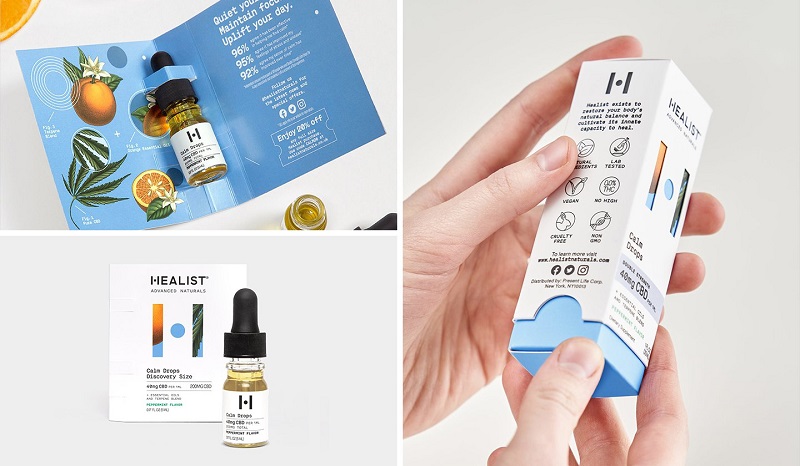
Secondary packaging—the rigid outer paperboard carton that houses the bottle on the shelf—is frequently dismissed as superfluous waste. In the context of botanical preservation, however, it serves as an indispensable secondary shield.
Even high-performance amber glass can only reduce light transmission; it cannot block physical heat radiation. A sturdy, heavy-weight folding carton acts as a dark room, ensuring total light elimination during transit. Moreover, the pocket of dead air between the outer paperboard and the inner glass bottle provides a modest thermal buffer against sudden temperature spikes during summer shipping.
When brands invest in quality outer packaging, they also provide consumers with storage guidance: keeping the product away from direct sunlight, radiators, and high-humidity environments like bathroom medicine cabinets.
Packaging as an Indicator of Brand Integrity
Preserving a CBD oil tincture is an ongoing defensive operation against physics and chemistry. The choices a processor makes regarding glass opacity, elastomeric bulb composition, pump mechanics, and atmospheric purging dictate whether a bottle retains its lab-tested cannabinoid profile six months after production.
For consumers and retailers navigating a crowded market, packaging choices offer immediate insight into a company’s technical sophistication. A clear glass bottle with a cheap rubber dropper suggests a brand prioritizing short-term aesthetics over chemical stability. Conversely, dense amber or violet glass paired with an airtight, terpene-resistant dispenser signals a manufacturer that respects the natural chemistry of the plant and understands that true quality is measured by how well a product performs at the very last drop.