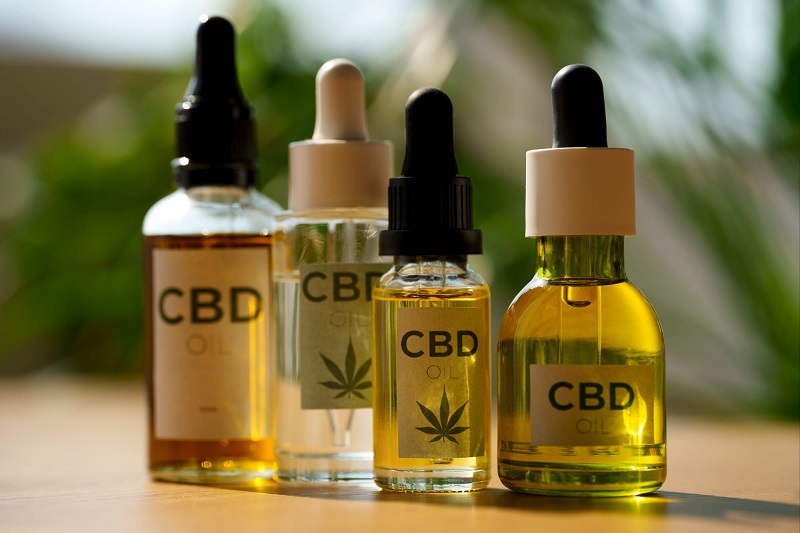
A freshly manufactured bottle of CBD oil looks pristine on the shelf. The liquid appears clear and golden, the scent is fresh and herbal, and the certificate of analysis matches the potency numbers stamped across the label. Yet inside that amber glass bottle, complex organic chemistry is continuously at work. Cannabinoids are thermodynamically reactive molecules, vulnerable to temperature fluctuations, oxygen exposure, and ambient light. Without rigorous empirical testing, that same oil could suffer severe potency loss, develop off-putting rancidity, or shift into unapproved chemical degradants before it ever reaches a consumer’s hands.
Determining how a botanical formulation holds up over months or years is not a matter of guesswork. It is governed by stability testing, an analytical science adapted from pharmaceutical quality assurance to track how a product behaves throughout its shelf life. By systematically stressing formulas and measuring their molecular breakdown, scientists ensure that a product maintains its potency, safety, and sensory appeal from the moment it leaves the cleanroom until the final drop is consumed.
The Chemistry of Cannabinoid Degradation
To understand why stability testing is essential, one must look at the fragile molecular architecture of cannabidiol. When extracted from hemp biomass and suspended in a liquid carrier, CBD does not remain completely static. It interacts with its immediate environment through several distinct degradation pathways.
The most common culprit is photo-oxidation. When exposed to ambient ultraviolet or visible light, the unsaturated chemical bonds within cannabidiol react with dissolved oxygen. This reaction triggers an oxidative cascade that converts the clear or amber liquid into shades of pink, violet, or dark brown through the formation of quinone derivatives. While color shifts do not always indicate immediate therapeutic failure, they signal that molecular restructuring has begun.
Thermal stress poses an equal threat. Elevated temperatures accelerate chemical reaction rates, breaking down cannabidiol into secondary compounds such as cannabielsoin. In uncontrolled environments, unstable minor cannabinoids can isomerize into unexpected cannabinoid variants, potentially altering the pharmacological profile of the finished formulation. In parallel, the carrier oil itself—whether medium-chain triglyceride oil, hemp seed oil, or olive oil—can undergo lipid oxidation, producing free radicals and volatile aldehydes that impart a foul, rancid taste and aroma.
Stability Testing Methodologies in the Laboratory
Formulation scientists cannot afford to wait two full years to discover whether a newly engineered tincture or topical cream will survive retail distribution. Instead, analytical laboratories use structured protocols that balance real-time observation with accelerated predictive modeling.
Real-Time Long-Term Testing
Real-time stability testing represents the definitive benchmark for shelf-life verification. Formulated products are stored in climate-controlled environmental chambers calibrated to reflect standard room conditions, typically held at 25 degrees Celsius (77 degrees Fahrenheit) with a relative humidity of 60 percent.
Technicians pull sample containers from the chambers at predetermined intervals, typically at zero, three, six, nine, twelve, eighteen, and twenty-four months. Each pull undergoes rigorous chemical and physical testing to establish a real-world degradation curve. While real-time studies take years to conclude, they provide the verifiable baseline data required by major commercial retailers and regulatory bodies.
Accelerated Stability Protocols
To forecast long-term stability in a fraction of the time, scientists rely on accelerated stability testing. Samples are placed inside high-stress environmental chambers configured to exaggerated conditions, generally 40 degrees Celsius (104 degrees Fahrenheit) and 75 percent relative humidity.
By applying the principles of the Arrhenius equation—which dictates that chemical reaction rates approximately double for every ten-degree Celsius rise in temperature—chemists can compress months of aging into weeks. A sample that successfully maintains potency and structural integrity after six months of accelerated stress generally indicates a stable real-world shelf life of up to two years. If significant degradation occurs during accelerated testing, researchers introduce intermediate testing parameters, such as 30 degrees Celsius at 65 percent relative humidity, to pinpoint exact failure thresholds.
Stress and Photostability Challenges
Beyond standard thermal chambers, specialized stress testing evaluates acute physical vulnerabilities. Photostability chambers bombard formulations with high-intensity ultraviolet and near-ultraviolet illumination to evaluate light resistance. Concurrently, freeze-thaw challenge testing cycles products between sub-zero temperatures and room temperature across multiple iterations. This process tests emulsion stability, ensuring that water-soluble drinks, viscous lotions, and concentrated tinctures do not separate, cloud, or form cannabinoid crystallization when transported through freezing shipping hubs.
Analytical Vectors: What Scientists Measure
Evaluating product stability involves far more than simply checking whether cannabidiol is still present. A comprehensive stability protocol tracks multiple analytical dimensions across chemical, physical, and microbiological parameters.
- Cannabinoid Potency and Degradation Products: Using High-Performance Liquid Chromatography (HPLC) paired with photodiode array detection, analysts measure the exact concentration of cannabidiol over time. Crucially, they also quantify the emergence of known degradation byproducts, verifying that the product remains within legal limits and retains its labeled strength.
- Terpene Profile Retention: Terpenes are highly volatile aromatic compounds that degrade long before cannabinoids begin to break down. Gas chromatography monitors whether delicate compounds like myrcene, limonene, and beta-caryophyllene evaporate or oxidize, ensuring that broad- and full-spectrum products retain their entourage benefits and intended flavor profile.
- Organoleptic and Physical Characteristics: A product must remain pleasant to use. Technicians assess changes in color, clarity, phase separation, sedimentation, and viscosity. For lipid-heavy oils, scientists measure the peroxide value and p-anisidine value to detect the earliest stages of carrier oil rancidity before off-odors become perceptible to the human nose.
- Microbiological and Chemical Boundaries: In emulsions, gummies, and cosmetic formulations that incorporate water, scientists monitor water activity and pH levels. Shifts in pH can destabilize preservative systems, allowing dormant bacteria, yeast, or mold to proliferate during extended storage.
The Role of Container-Closure Compatibility
A critical mistake in product development is testing bulk oil in laboratory beakers rather than the finished commercial package. Stability testing must evaluate the complete container-closure system, assessing how the product interacts with its container, dropper pipettes, gaskets, and seals.
Certain natural rubber dropper bulbs absorb volatile terpenes and fat-soluble cannabinoids directly from the oil, gradually lowering potency through absorption rather than chemical degradation. Low-grade plastics can leach plasticizers and extractables into organic solvents, contaminating the liquid. Conversely, defective induction seals or loose screw caps allow atmospheric oxygen and ambient humidity to enter the container headspace, accelerating degradation. Testing the product inside its retail bottle ensures that the packaging acts as an active barrier rather than a point of failure.
Setting Accurate Shelf-Life and Storage Standards
The ultimate deliverable of a stability program is actionable storage guidance. The data generated in the laboratory dictates whether a product receives an expiration date of twelve months or twenty-four months, and whether packaging requires amber glass, opaque coatings, or specialized nitrogen flushing during bottling.
It also shapes the storage instructions printed on the exterior carton. If stability data shows that a product degrades rapidly above 30 degrees Celsius, the manufacturer must specify cool, dry storage away from direct sunlight.
In an industry that continues to navigate consumer skepticism and evolving regulatory scrutiny, stability testing bridges the divide between marketing promises and biochemical reality. By committing to empirical shelf-life validation, reputable manufacturers protect their formulations against premature decay, ensure consistent dosing, and safeguard the long-term integrity of their brand.