Every bottle of premium CBD oil, therapeutic balm, or broad-spectrum gummy owes its consistency to an invisible step in the manufacturing chain: extraction. While agricultural practices determine the raw cannabinoid profile of the hemp crop, the extraction phase dictates whether those compounds arrive in the final product intact, degraded, or contaminated.
Phytocannabinoids, terpenes, and flavonoids reside within microscopic, mushroom-shaped glandular structures on the surface of the hemp flower known as trichomes. These resin glands are delicate, lipid-dense factories. The core objective of any extraction protocol is deceptively straightforward: separate these valuable therapeutic compounds from the fibrous, inactive plant mass.
Achieving that separation at commercial scale while maintaining chemical integrity requires navigating delicate thermodynamic principles, solvent polarities, and molecular weights. The method chosen directly influences product purity, potency, flavor, and consumer safety.
Supercritical and Subcritical CO2 Extraction: Tunable Precision
Carbon dioxide extraction is widely regarded as the gold standard for clean, commercial-grade cannabinoid recovery. Its primary appeal lies in safety and chemical purity: CO2 is naturally occurring, non-toxic, non-flammable, and leaves zero chemical residue in the finished extract.
The Thermodynamics of Carbon Dioxide
Under ambient conditions, carbon dioxide is a colorless gas. However, when subjected to temperatures above 87.9°F (31.1°C) and pressures exceeding 1,071 psi (73.8 bar), it enters a supercritical state. In this phase, CO2 defies traditional physical boundaries, behaving simultaneously like a gas and a liquid. It diffuses through dense plant material with the low viscosity of a gas while dissolving target compounds with the solvating power of a liquid.
The distinct scientific advantage of CO2 lies in its tunability. By making micro-adjustments to the temperature and pressure within the extraction vessel, technicians can systematically alter the solvent’s density. Because different plant compounds dissolve at specific solvent densities, processors can target distinct molecular fractions with surgical precision.
Subcritical vs. Supercritical Dynamics
Processors typically toggle between two primary operational parameters:
- Subcritical CO2: Running the system at lower temperatures and lower pressures (below the critical threshold) keeps the carbon dioxide in a chilled liquid state. This gentle environment protects volatile monoterpenes and delicate aromatic molecules from thermal degradation. However, subcritical runs take significantly longer, produce lower overall yields, and leave a portion of the heavier cannabinoids behind in the raw biomass.
- Supercritical CO2: Increasing the pressure and heat shifts the solvent into its supercritical phase, drastically increasing its density and solvating power. This setup aggressively strips the bulk of the cannabinoids, yielding high concentrations of cannabidiol along with heavier plant waxes, lipids, and sterols.
While supercritical CO2 delivers exceptional yields, the crude extract often requires extensive post-processing to strip out those co-extracted waxes before it can be formulated into clean ingestibles.
Ethanol Extraction: High Throughput and Polarity Challenges
Ethanol is the workhorse of industrial hemp processing. As the market matured and required millions of milligrams of standardized isolate and distillate, ethanol emerged as the premier solvent for large-scale operations due to its high efficiency, relatively low capital expenditure, and unmatched extraction speed.
The Polarity Dilemma
Ethanol is an amphiphilic solvent. It features an ethyl group, which is non-polar and dissolves oil-soluble cannabinoids, alongside a hydroxyl group, which is polar and attracts water-soluble compounds.
This molecular duality presents a significant processing challenge. At ambient room temperature, ethanol readily pulls non-target molecules—most notably chlorophyll, tannins, and bitter polyphenols—out of the plant tissue. Chlorophyll imparts a dark, swampy green hue and an unpleasant, acrid taste to the extract, requiring intensive secondary scrubbing with activated carbon or bentonite clay to remove.
The Cryogenic Solution
To overcome ethanol’s polar tendencies, modern processors employ cryogenic extraction. By chilling the food-grade ethanol to temperatures between -40°F and -80°F (-40°C to -60°C) before it washes over the hemp biomass, technicians dramatically slow down the kinetic rate of dissolution for polar compounds.
At sub-zero temperatures, cellular waxes, structural lipids, and water-soluble chlorophyll remain locked inside the plant cells, while the lipophilic cannabinoids rinse away easily in the cold solvent stream. This yields a remarkably clean, golden crude oil that skips multiple downstream purification steps, making cryogenic ethanol the preferred method for producing bulk distillates and isolates economically.
Hydrocarbon Extraction: Preserving the Delicate Terpene Fingerprint
Light hydrocarbon extraction, which utilizes pressurized solvents like n-butane, isobutane, and propane, is renowned in the cannabis sector for producing rich, aromatic extracts. Hydrocarbons are completely non-polar, which makes them inherently selective for lipophilic cannabinoids and terpenes while completely ignoring plant sugars, moisture, and chlorophyll.
Furthermore, hydrocarbons feature exceptionally low boiling points—butane boils at approximately 30.2°F (-1°C), and propane boils at -43.6°F (-42°C). This allows processors to purge the solvent out of the extract using minimal heat, preserving delicate, heat-sensitive terpenes that would otherwise degrade during higher-temperature distillations.
The primary hurdle with hydrocarbon extraction is regulatory and operational safety. Working with volatile, flammable gases requires expensive Class 1, Division 1 (C1D1) explosion-proof processing environments and advanced closed-loop recovery systems. Additionally, the finished extract must undergo rigorous vacuum-oven purging to ensure that residual solvents fall well below standard pharmaceutical safety thresholds.
Solventless Extraction: Mechanical Separation
For purists seeking an extract completely free of chemical intervention, solventless processing relies purely on mechanical force, temperature, and physical separation.
Techniques like ice-water separation agitate frozen hemp flowers in ice-cold water, causing the brittle resin glands to snap off from their stalks. The suspended trichomes are then sieved through microscopic mesh screens, collected, dried, and often pressed between heated metal plates under immense hydraulic pressure to produce rosin.
Solventless extraction yields an unadulterated, true-to-plant cannabinoid and terpene profile without any risk of residual chemical contamination. However, its industrial application remains restricted. The process is labor-intensive, relies on specialized, resin-heavy cultivars, and delivers lower comparative yields, positioning solventless CBD primarily as an artisanal, premium-tier product rather than a candidate for mass-market formulation.
Downstream Refining: From Crude Extract to Pure Formulations
Extracting crude oil from raw hemp is only half the battle. Regardless of the solvent utilized, crude extract is a complex slurry of cannabinoids, phytosterols, waxes, and fatty acids that must be refined to create consumer-ready products.
- Winterization: The crude extract is dissolved in high-proof alcohol and frozen. As the solution chills, heavier plant lipids and waxes crystallize and separate from the liquid. The mixture is then vacuum-filtered through porous membranes, leaving behind a dewaxed, golden liquid.
- Solvent Recovery: Utilizing falling-film evaporators or rotary evaporators, the carrier solvent is evaporated under gentle heat and vacuum, condensed back into liquid form for reuse, and separated from the refined oil.
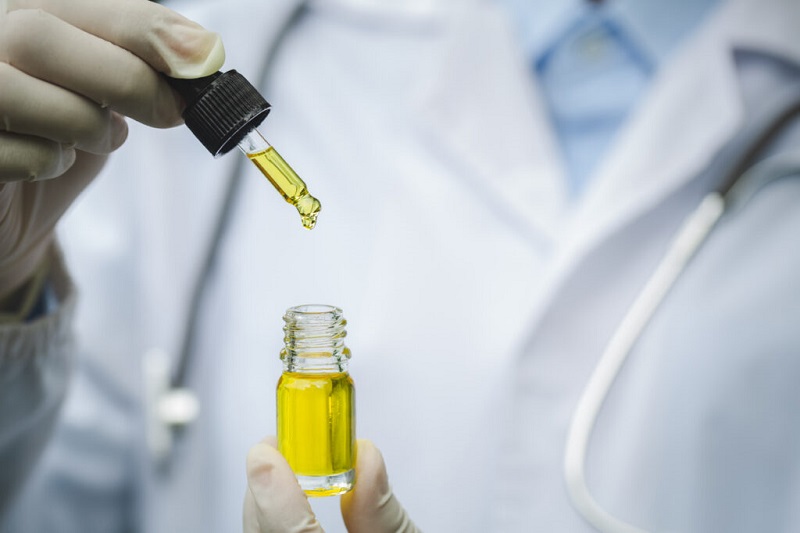
- Fractional Distillation: Using wiped-film or short-path distillation equipment, the dewaxed oil is heated under high vacuum to separate chemical components based on their precise boiling points. Terpenes distill off first, followed by cannabinoids, leaving behind heavy residues. This stage produces full-spectrum or broad-spectrum distillate, a clear, golden oil containing 80% to 90% total cannabinoids.
- Crystallization: To manufacture CBD isolate, distillate is dissolved in a warm pentane or heptane solvent bath and cooled under controlled agitation. Pure cannabidiol molecules link together into white crystalline structures, precipitating out of the mother liquor to achieve purity levels exceeding 99%.
Critical Quality Considerations in Finished Extracts
The quality of an extraction protocol should not be judged merely on yield percentages; it must be evaluated by the chemical integrity of the output.
A poorly managed thermal cycle during distillation or solvent recovery can trigger isomerization, unintentionally degrading CBD into undesirable chemical byproducts or degrading beneficial minor cannabinoids into inactive forms. Similarly, excessive temperatures accelerate the oxidation of delicate terpenes, turning bright, citrusy monoterpenes into stale, harsh sesquiterpenes.
Purity testing is equally vital. Industrial hemp is a dynamic phytoremediator, naturally extracting heavy metals, pesticides, and residual soil toxins from the earth. Solvent extraction concentrates these compounds right alongside cannabinoids. Responsible extraction facilities must use rigorous in-house analytical testing alongside third-party chromatography to confirm that the finished oil is completely free from heavy metals, microbial contaminants, mycotoxins, and residual solvent traces.
The process used to separate cannabinoids from raw hemp is not merely a manufacturing step; it fundamentally defines the biological performance, shelf-life, and sensory profile of the finished product. By understanding the thermodynamic properties, solvent behaviors, and purification stages behind each extraction method, brands and consumers can look past marketing slogans and choose formulations engineered for true chemical stability and effectiveness.