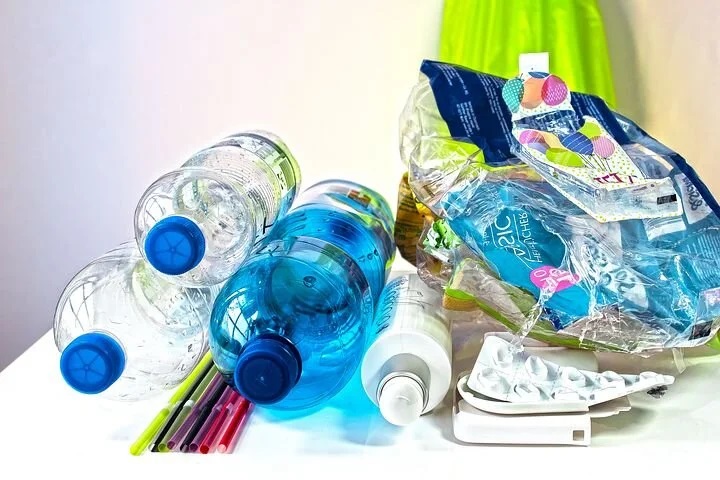
The modern economy runs on synthetic polymers. From the moment fresh produce is wrapped in protective barrier film at a distribution hub to the molded housings securing batteries in modern vehicles, petroleum-derived resins remain the default architecture of manufacturing. Yet the mechanical limitations of plastic recycling are no longer up for debate. Only a small fraction of synthetic plastic ever manufactured has been recycled into new goods, while the remainder continues to fragment into persistent microplastics across agricultural soils, municipal waterways, and ocean currents.
At the same time, the initial wave of bio-based plastics has stumbled into its own ecological dilemmas. Polylactic acid derived from commercial corn and sugarcane demonstrated that plants could yield moldable resins, but it introduced a troubling trade-off: diverting millions of acres of fertile, food-producing cropland to produce single-use packaging that demands synthetic fertilizers and intense irrigation.
Industrial hemp changes this equation. As a high-yield, non-food crop, hemp generates exceptionally high concentrations of cellulose per acre without competing with food supplies or exhausting regional water reserves. As materials science advances, industrial hemp is rapidly shifting from an agricultural novelty into a viable raw material capable of displacing fossil fuels across the global plastics supply chain.
The Material Architecture: Why Hemp Cellulose Excels
Every conventional plastic begins with a chain of repeating molecules, typically cracked from crude oil or natural gas. Bioplastics replace those fossil hydrocarbons with organic polymers, primarily cellulose. While nearly all plant matter contains cellulose, plants do not produce it in equal quality, density, or ease of extraction.
Hemp stalks consist of two distinct structural components: the tough outer bast fibers and the woody inner core known as the hurd. The bast fiber boasts an extraordinary cellulose concentration, typically between 65% and 75%, compared to roughly 40% found in commercial softwoods. This structural carbohydrate forms long, crystalline molecular chains that give the plant its natural tensile strength and durability.
Manufacturers utilize this natural architecture in two distinct ways:
Pure Bio-Based Thermoplastics
By chemically separating cellulose from natural plant binders like lignin and hemicellulose, processors isolate pure cellulose pulp. When reacted through esterification using organic compounds, this refined cellulose transforms into moldable thermoplastic resins. These pure formulations yield clear packaging films, cellophane wraps, and rigid containers that mimic traditional polyethylene, yet they originate entirely from renewable biological feedstocks without synthetic stabilizers.
Reinforced Natural Fiber Composites
Rather than synthesizing a pure biopolymer from scratch, compounders frequently blend micro-pulverized hemp fibers or hurd flour into existing matrices. When paired with biopolymers such as polylactic acid (PLA) or polyhydroxyalkanoates (PHA), hemp acts as an exceptionally durable natural reinforcement. This compounding method drastically cuts down the total volume of base resin required for a part while imparting superior structural rigidity.
Strength, Weight, and Industrial Compatibility
A common critique of early biodegradable materials was their physical fragility. First-generation starch-based alternatives frequently softened under ambient humidity, warped under mild heat, and cracked under minimal impact stress. Industrial hemp addresses these shortcomings through the intrinsic mechanics of its cellular structure.
Hemp bast fibers possess a tensile strength that rivals synthetic glass fibers and comfortably exceeds common petrochemical plastics like polypropylene and ABS. When incorporated into polymer matrices, the fibers disperse mechanical shock throughout the composite structure. This reinforcement produces molded components that are significantly stiffer and more impact-resistant than standard unreinforced resins.
Simultaneously, hemp biocomposites offer a notable weight advantage. Hemp fiber has a substantially lower density than talc, calcium carbonate, or chopped fiberglass—the standard inorganic fillers used to stiffen automotive and consumer plastics. Replacing mineral fillers with lightweight plant fiber cuts component mass by up to 25%. In transportation manufacturing, where every shaved pound directly extends battery range or reduces fuel consumption, this lightweighting capability provides a powerful economic incentive.
Crucially, hemp-based pellets integrate smoothly into existing manufacturing workflows. Packaging facilities and injection molders do not need to discard their multi-million-dollar extrusion machinery or rebuild assembly lines. High-grade hemp composite pellets flow through existing hopper systems, melt at standard production temperatures, and conform cleanly to standard commercial molds.
Sustainable Agriculture Without Food-Chain Disruption
The sustainability of any bio-based material ultimately hinges on its agricultural footprint. If producing an eco-friendly cup requires clearing native forests, saturating watersheds with nitrogen runoff, or driving up grain prices, the net ecological balance remains negative.
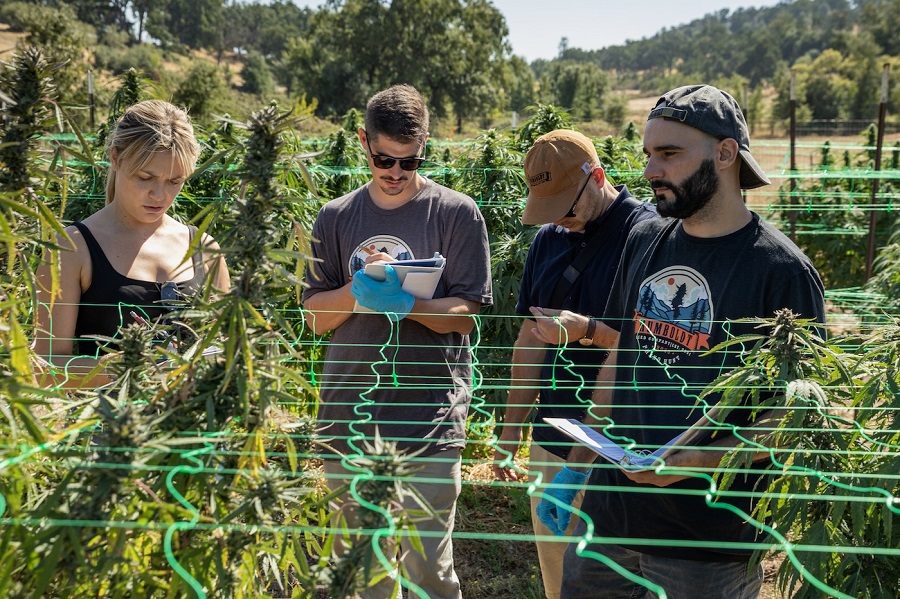
Industrial hemp sidesteps these trade-offs entirely. Unlike commercial corn or cotton, hemp functions as a resilient, fast-growing rotational crop that matures in just 90 to 120 days. It thrives in dense plantings that block sunlight from reaching competing weeds, virtually eliminating the need for chemical herbicides. Its deep taproot network reaches into the subsoil, breaking up compacted earth, mitigating erosion, and pulling up trace minerals while requiring a fraction of the irrigation demanded by conventional cotton.
Furthermore, hemp ranks among the most effective biological carbon sinks on earth. A single hectare of industrial hemp can absorb up to 15 tons of atmospheric carbon dioxide across its short growing cycle. When those harvested stalks are converted into durable bioplastics, that captured carbon remains locked within the physical material rather than cycling back into the atmosphere.
Target Sectors: Where Hemp Displaces Petrochemicals
The drive to replace conventional plastics is not an all-or-nothing proposition. Instead, hemp bioplastics are making their deepest immediate inroads into specific high-volume categories where petrochemical waste is most acute.
- Single-Use Packaging and Wraps: Thin-gauge films, produce bags, cosmetic bottles, and food containers represent the bulk of municipal landfill volume. Hemp-based films provide natural oxygen and moisture barrier properties, protecting perishables without introducing endocrine disruptors like bisphenol A (BPA) or phthalates into food-contact surfaces.
- Automotive Interiors and Structural Panels: Major vehicle manufacturers have integrated hemp-reinforced composites into door panels, seat backs, trunk linings, and underbody shields. These parts absorb vibration, resist thermal warping, and eliminate the chemical off-gassing common to synthetic adhesives.
- Agricultural Mulch Films: Standard farming consumes millions of square yards of black plastic ground cover each season, most of which cannot be recycled due to soil contamination. Hemp-derived mulch films suppress weeds and retain soil moisture, then naturally decompose into organic matter after harvest without leaving polymer residue behind.
- Consumer Electronics and Enclosures: From headphone housings to laptop cases, hemp-infused bio-resins offer natural acoustic dampening, a distinct organic texture, and durable drop resistance without brittle fractures.
The Composting Reality: Breaking Down Without Microplastics
A central promise of hemp-based polymers is their eventual reabsorption by nature. Traditional synthetic polymers are forged from petrochemical bonds so resilient that natural bacteria cannot metabolize them; instead, mechanical wear and ultraviolet radiation merely shatter the plastic into microscopic fragments that persist for centuries.
Pure hemp bioplastics and certified biopolymer composites behave fundamentally differently. Because their molecular backbone is natural plant cellulose, environmental microorganisms can consume and digest the material. In industrial composting facilities where temperature, moisture, and aeration are maintained, certified hemp bioplastics break down into organic humus, water, and carbon dioxide within three to six months.
Even in slower composting environments, unblended hemp plastics do not shed toxic chemical additives or leave synthetic polymers lingering in soil profiles. However, distinguishing between pure bio-resins and hybrid plastics remains critical. While a pure hemp-PLA or hemp-PHA composite will degrade naturally, blending hemp fiber into traditional non-degradable polypropylene simply reduces petroleum volume rather than creating a compostable end product. Clear commercial standards and responsible compounding are vital to prevent consumer confusion.
Overcoming the Scale and Infrastructure Bottleneck
If hemp offers such distinct material and ecological advantages, why has it not completely overtaken petroleum polymers on retail shelves? The primary obstacle is not chemistry; it is industrial infrastructure.
For nearly a century, industrial hemp cultivation was severely restricted across much of the Western world due to broad legal prohibitions that conflated non-psychoactive industrial fiber crops with drug cultivars. Consequently, the petrochemical sector built out an unassailable global manufacturing and supply infrastructure, benefiting from decades of capital subsidies, economies of scale, and highly optimized distribution logistics.
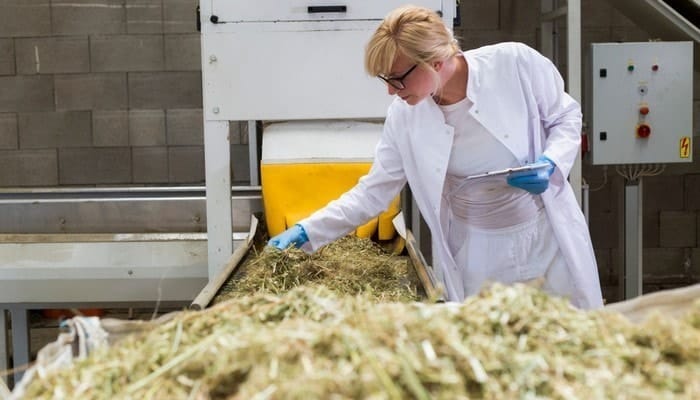
Meanwhile, the hemp processing supply chain is rebuilding from the ground up. The primary mechanical hurdle lies in decortication—the process of cleanly separating the outer bast fiber from the inner hurd at massive scale. Regional processing facilities capable of refining thousands of tons of raw hemp stalks into consistent, commercial-grade biopolymer feedstock remain limited. This processing bottleneck keeps the per-pound cost of hemp resin higher than heavily subsidized virgin petroleum pellets.
Closing that price gap requires continued investment in regional decortication hubs, standardized quality grading for natural fibers, and public policies that discourage single-use petrochemical packaging. As processing capacity expands and agricultural supply chains mature, the resulting economies of scale will bring hemp bioplastics into direct price parity with legacy polymers.
The transformation of the global materials economy will not happen through goodwill alone. It requires scalable, functional alternatives that meet rigorous industrial manufacturing standards while reducing environmental degradation from harvest to disposal. Industrial hemp presents that rare intersection of high-yield agriculture, advanced material performance, and closed-loop degradation. By turning renewable agricultural biomass into durable, functional materials, we can begin retiring the fossil-fueled legacy of the twentieth century in favor of a genuinely regenerative manufacturing model.